First tinnie buying guide: size, towing and setup basics
First tinnie buying guide for Aussies: pick the job first, then size, towing, storage and budget so your boat actually gets used.
If your first tinnie needs a bigger tow car, a longer driveway and a second mate every time you want to launch it, you’ve bought the wrong boat.
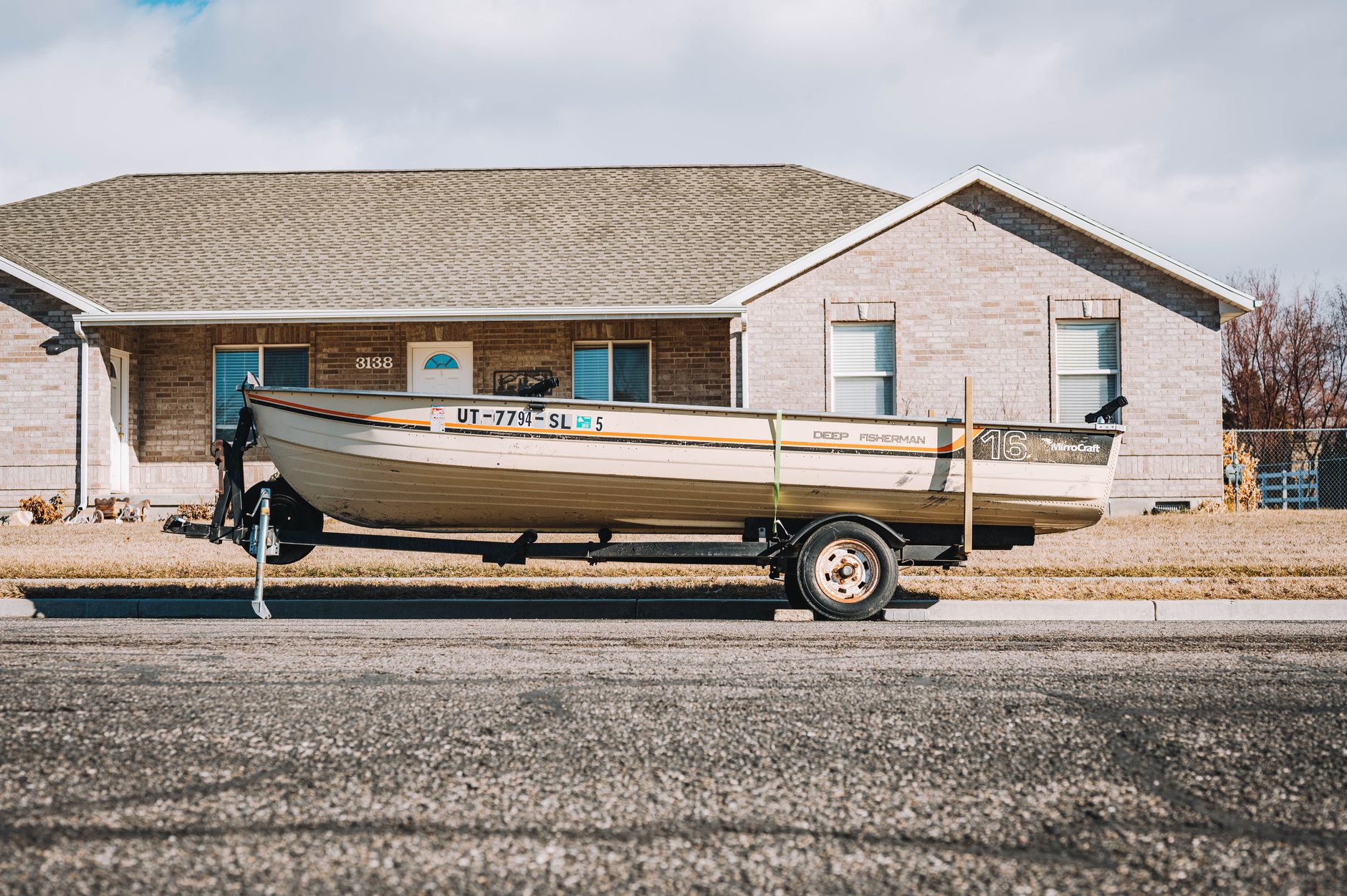
Most first-time owners are better off with a plain aluminium tinnie in the middle of the range. Big enough to feel useful. Small enough that a Saturday morning does not turn into admin. We reckon the best first buy is usually a 3.3m to 3.9m setup on a straightforward trailer, unless you already have a very specific job in mind.
Cost is the wrinkle. A bare hull can look affordable, then the trailer, engine, safety kit and fit-out drag the real number north. So the first question is not “what’s the biggest boat we can afford?” It is “where will we use it, and who has to tow, store and launch it?”
TL;DR: what we’d buy
- All-round first tinnie: a 3.3m to 3.9m aluminium boat on a simple trailer.
- If storage is tight: a 2.4m to 3.2m roof-topper or very small alloy boat.
- If you know you need more room: a 4.2m-class package such as the Quintrex 420 Busta, but only if towing, storage and launching are already sorted.
- Used-buy logic: if you’re genuinely learning, a tidy second-hand setup around $5,000 can make more sense than stretching to a new package.
- What we’d skip: buying on deck space alone. Extra room is lovely until the boat sits beside the house because launching it is a pain.
Pick the job before you pick the length
Start with the least glamorous question: what will this boat do on a normal Saturday? If the honest answer is “quiet estuary runs, a bit of fishing, maybe taking the kids out on protected water”, you do not need to begin at the big end of the market.
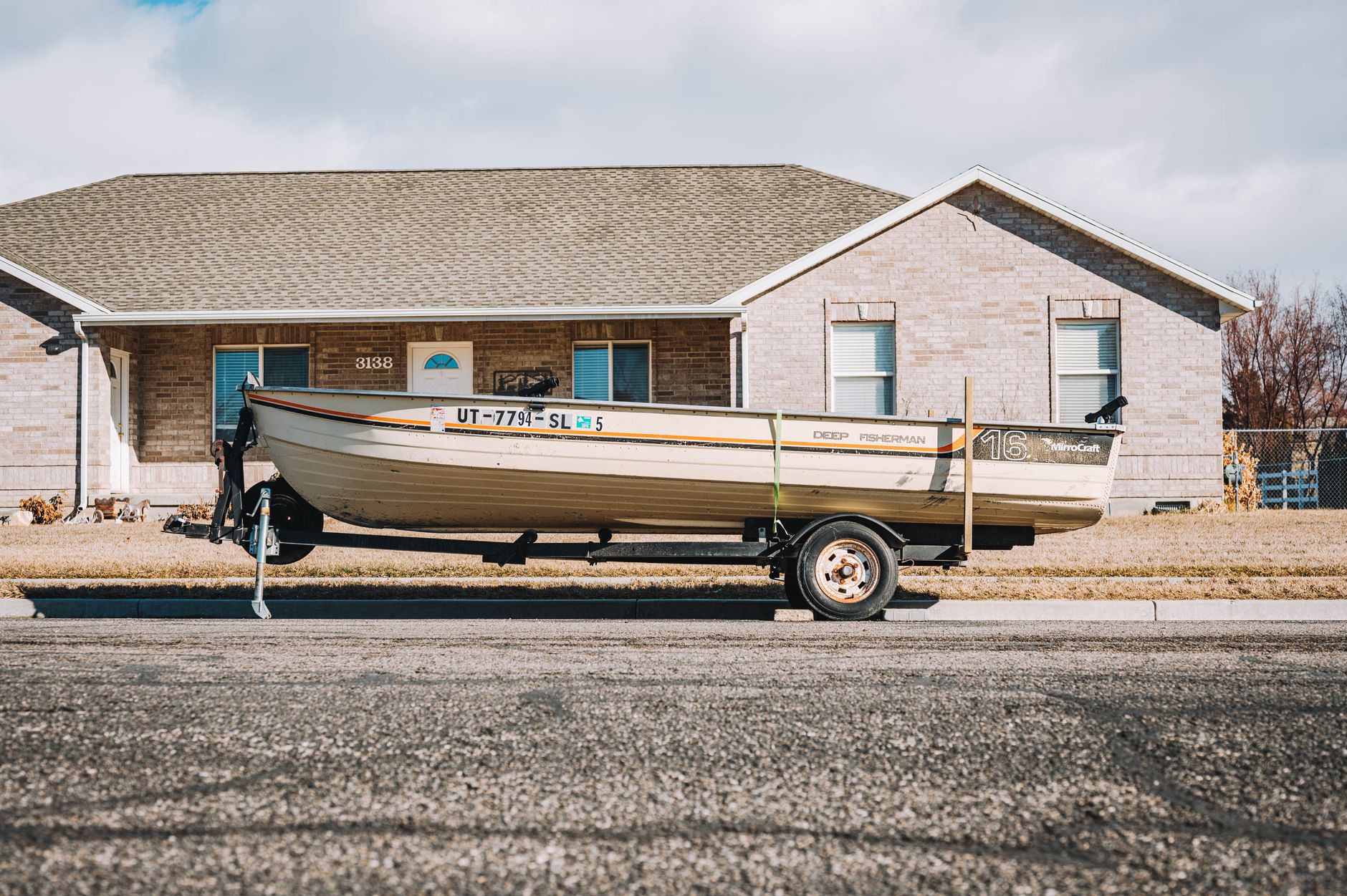
That is how Club Marine’s tinnie guide frames it too. It puts intended use ahead of budget, which sounds backwards until you’ve watched someone buy too much boat and then stop using it.
Selecting the right size of tinnies should be based on intended use more than budget.
Club Marine, Choosing and using a tinnie
We’d add ego and wishful thinking to the list. Also that one mate who insists everybody needs “just a little more boat”. A first tinnie should be easy enough that you use it often. If every trip turns into a logistics exercise, the fun disappears pretty quickly.
The Quintrex Tinnie range is a useful reality check here. The pitch is simple: alloy hulls for fishing, tender work, car-topping or a basic day on the water. That’s the point. A tinnie should lower the barrier to getting out, not add another hobby in trailer management.
The sweet spot for most first buys is 3.3m to 3.9m
Dealer types tend to be blunt about this: most beginners should start in the middle. Club Marine’s size bands run from roughly 2.4m to 3.2m roof-toppers, through 3.3m to 3.9m mid-size tinnies, then into bigger setups that edge closer to trailer-boat territory. That middle band is where a lot of first owners belong.
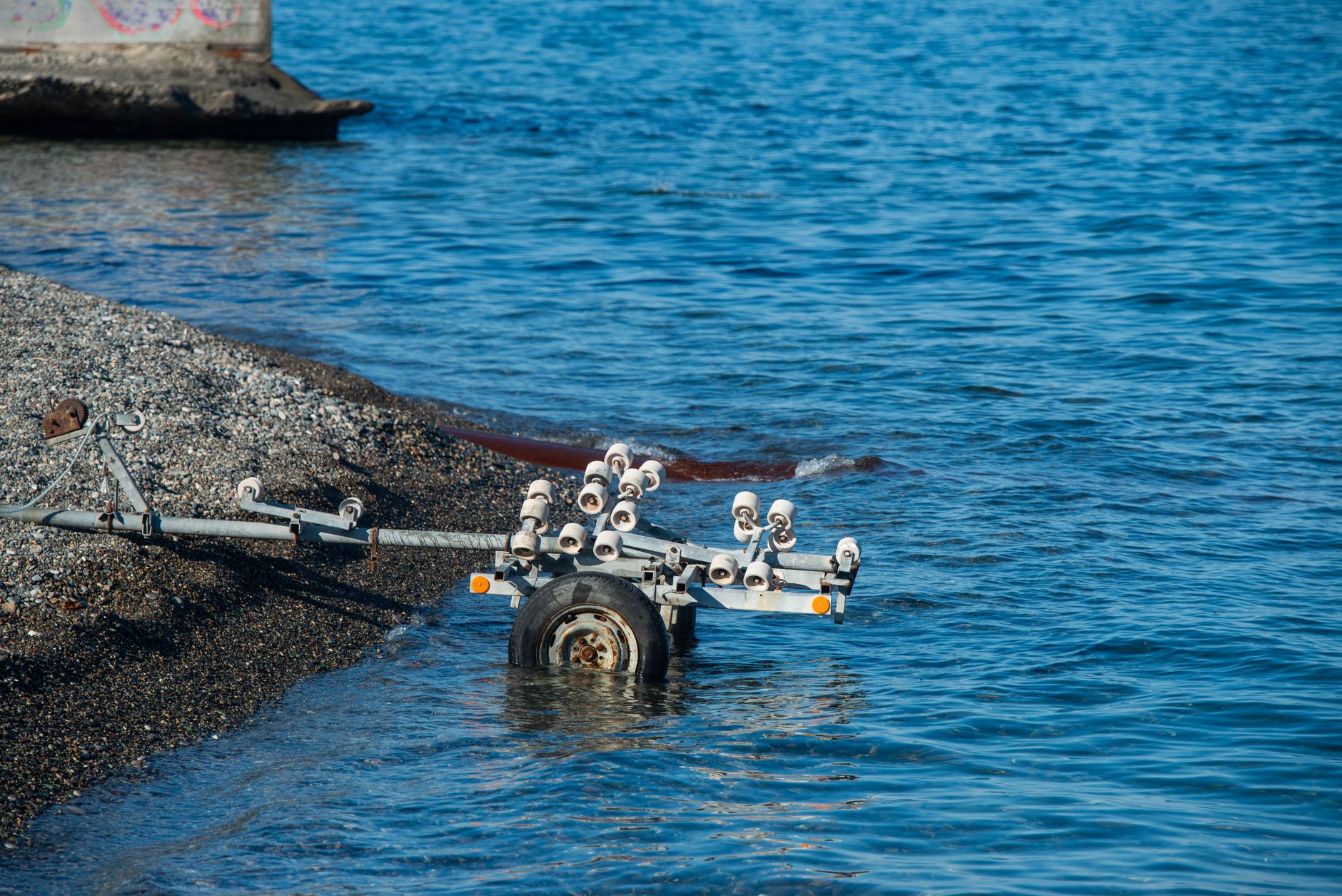
You get enough hull to feel more secure than a tiny roof-topper, with more room to fish or move around. It is usually a more forgiving platform when the weather is less than perfect. Better again, you have not tipped into the kind of package that raises bigger questions about storage, towing and whether one person can manage it without muttering at the ramp.
The 2.4m to 3.2m end still makes sense if storage is the main constraint or you want the lightest entry point. That buyer lane is not wrong. It just suits a narrower use case: short trips, very sheltered water and an owner who values convenience over space.
Bigger packages can be brilliant once you know your habits. Club Marine’s boats under $50K round-up includes the Quintrex 420 Busta, a 4.21m package with a 40hp Yamaha, trailer and safety kit for $26,199. Good bit of kit. It is also where “first tinnie” starts to blend into “proper trailer boat”.
Keep this Club Marine note in your head if you are shopping at the smaller end:
Depending on the engine size and speed it’s capable of, you might not even need a boat licence.
Club Marine, Choosing and using a tinnie
Do not read that as a free pass to ignore the rules. It is a reminder that simplicity has value for beginners, and smaller boats can be cheaper and easier in ways the brochure headline does not show.
New package or used starter boat? Follow the maths, not the fantasy
This is where “buy once, cry once” gets a bit too neat. New boats are tidy, easy to compare and very good at making us think we are one upgrade away from the perfect setup. The package price is the start of the conversation, not the finish.

In Club Marine’s boats under $50K piece, the Quintrex 420 Busta lands at $26,199, the Bluefin 450 Scoundrel SC is listed at $31,550, and the Polycraft 480 Brumby starts around $38,500. Fair numbers for what you get. They are also a long way from “cheap little tinnie” once you add rego, maintenance, safety gear and the extras you swear will stay minimal.
If we were buying our first boat with honest beginner energy, we would pick a lane before opening the wallet. Learner lane: buy a tidy used setup around the roughly $5,000 starting point Club Marine mentions, accept a few cosmetic compromises, and find out what sort of boater you actually are. Committed lane: buy new because the storage, tow vehicle and usage pattern already stack up.
Used is often the smarter first move than proud blokes like to admit. It limits downside, makes the first scratches less traumatic and teaches you quickly whether you are a dawn-ramp person or just a bloke who likes the idea of being one.
Buying new still makes sense if you know you will use it hard and want fewer unknowns. A Quintrex Tinnie or similar alloy setup gives you a clean baseline, simple maintenance and predictable specs. Just do not confuse “new” with “cheap to own”. Different sentences.
Towability, storage and solo launch decide whether the boat actually gets used
Can one person safely load, launch and recover the thing without souring the day before the first cast? That matters more than whether the brochure photo looks heroic in the bigger model.

A first tinnie has to fit your actual life. Driveway. Side access. Garage height. Tow rating. The ramps you will really use. Whether your usual crew is “one mate sometimes” or mostly just you. The best beginner boat is rarely the biggest one you can finance. It is the one that still feels easy on a windy Sunday when nobody is there to help.
That applies on the water too. In ABC’s report on John “Stinker” Clarke’s rescue off Fingal Bay, an experienced angler’s tinnie capsized after a wave hit while he was pulling anchor in 2.5-metre swells. Boat size matters, sure. It does not replace weather judgement, a life jacket and a setup you can control when conditions turn ordinary.
Mid-size alloy boats keep looking strong for this reason. They give you enough boat to grow into without dragging you straight into the heavier, fussier end of ownership. Roof-toppers and tiny tinnies are brilliant if convenience is the whole brief. Bigger 4.2m-plus packages are excellent when you already have the space, tow car and routine. The 3.3m to 3.9m band is where compromise looks more like balance.
Standing in the yard, we’d ask four boring questions. Can we store it without shuffling the house? Can we tow it without upgrading the car? Can one person handle the ramp routine? Will we still want to use it after the novelty wears off? The right first tinnie answers yes to all four.
Keep the fit-out simple at the start
The last first-boat trap is thinking you need to finish the dream build before the first trip. You do not. One of the better lines in Club Marine’s tinnie fit-out piece is really a philosophy note for beginners, not just fishos.
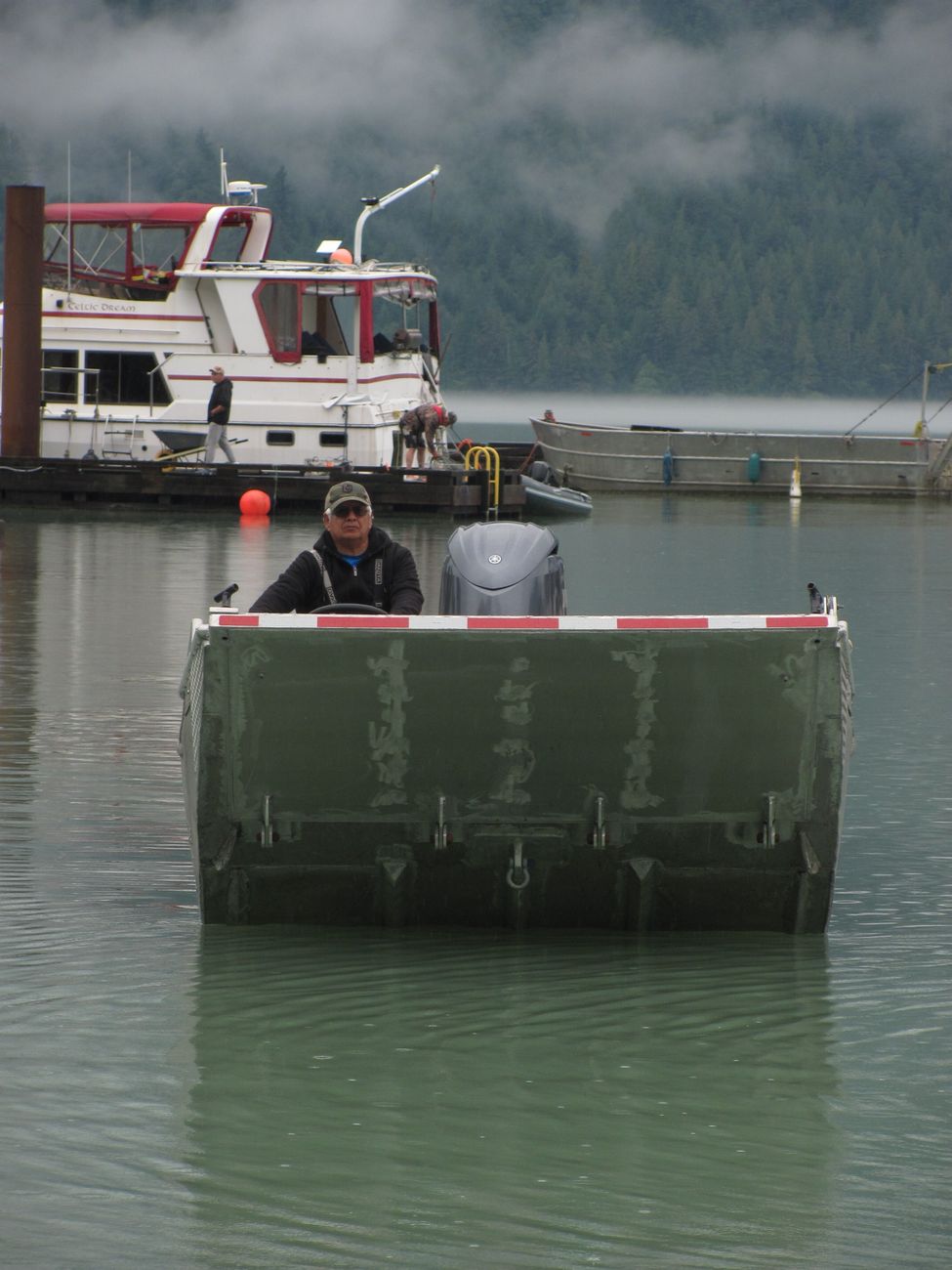
Simple is faster to fix and easier to upgrade, and simple lets you keep fishing.
Jonathon Bleakley, Club Marine
Good first-tinnie advice. Start with the legal and useful bits, then let actual use decide the rest. If you fish sheltered water twice a month, your needs will look different from a bloke who is out every second dawn. A stripped-back tinnie teaches you those habits faster than an over-accessorised one ever will.
If kids are part of the brief, safety gear is not the place to get clever. BoatUS’s explainer on reading life-jacket labels is US-focused, but the core lesson travels: match the jacket to the job instead of grabbing the cheapest thing hanging near the checkout.
Starting simple also keeps the budget honest. When a first boat already stretches the numbers, bolting on a shopping list can ruin the value equation before you know what matters. We’d rather see a beginner buy the right size boat and use it often than buy a slightly bigger hull plus a pile of gear and resent the whole exercise.
So how much simplicity should you trade for extra beam and deck space? Not much on day one. Space is great. Ease of ownership is what gets you on the water.
Our buy call: choose the tinnie that makes weekends easier
For most Australian first-timers, that means a mid-size aluminium tinnie in the 3.3m to 3.9m band, on a straightforward trailer, bought with clear eyes about storage and towing. Least drama, plenty of upside.
Go smaller if storage and simplicity are everything. Go used if you are still figuring out whether boating is a long-term habit or a nice theory. Stretch to a new 4.2m-class package only when the use case is proven and the ownership logistics are sorted.
That is the pattern across the research. Manageable boat. Package cost that still makes sense after the hidden bits. A setup the first-time owner will actually use. The overlap between those points is your answer.
A first tinnie is not supposed to impress anybody at the ramp. It is supposed to get you on the water without turning every trip into a project. Better brief. Usually cheaper too.
FAQ
What size tinnie is best for a first-time owner?
For most people, 3.3m to 3.9m is the sweet spot. It gives you more usefulness and stability than a tiny roof-topper without the bigger towing and storage penalties that come with heavier packages.
Is it smarter to buy a used tinnie first?
Often, yes. If you are learning and want low-risk entry, a tidy used package around $5,000 can be a better first buy than stretching to a new boat straight away. The win is learning your real habits before you spend bigger money.
Are very small roof-topper tinnies a bad idea?
Not at all. They make sense if convenience is the main goal and your use is short, sheltered-water trips. They are just less flexible once you want more room, more carrying capacity or a more forgiving platform.
What should matter more: price or intended use?
Intended use. That is the clearest line in Club Marine’s tinnie guide, and we reckon it is right. The wrong boat at the right price is still the wrong boat.
Should we fully fit out a first tinnie straight away?
No. Start simple, get on the water, then add gear based on what you actually do. That keeps costs down and stops you overbuilding a setup before you know what you need.
The DudeWorld brief
BBQ, tools, camping and footy — the good stuff, weekly in your inbox.
Subscribe