Bruny Island shark bite: what Tasmania divers should know
Bruny Island shark bite details point to a broadnose sevengill, with police urging Tasmania divers and fishos to stay alert off the south coast.
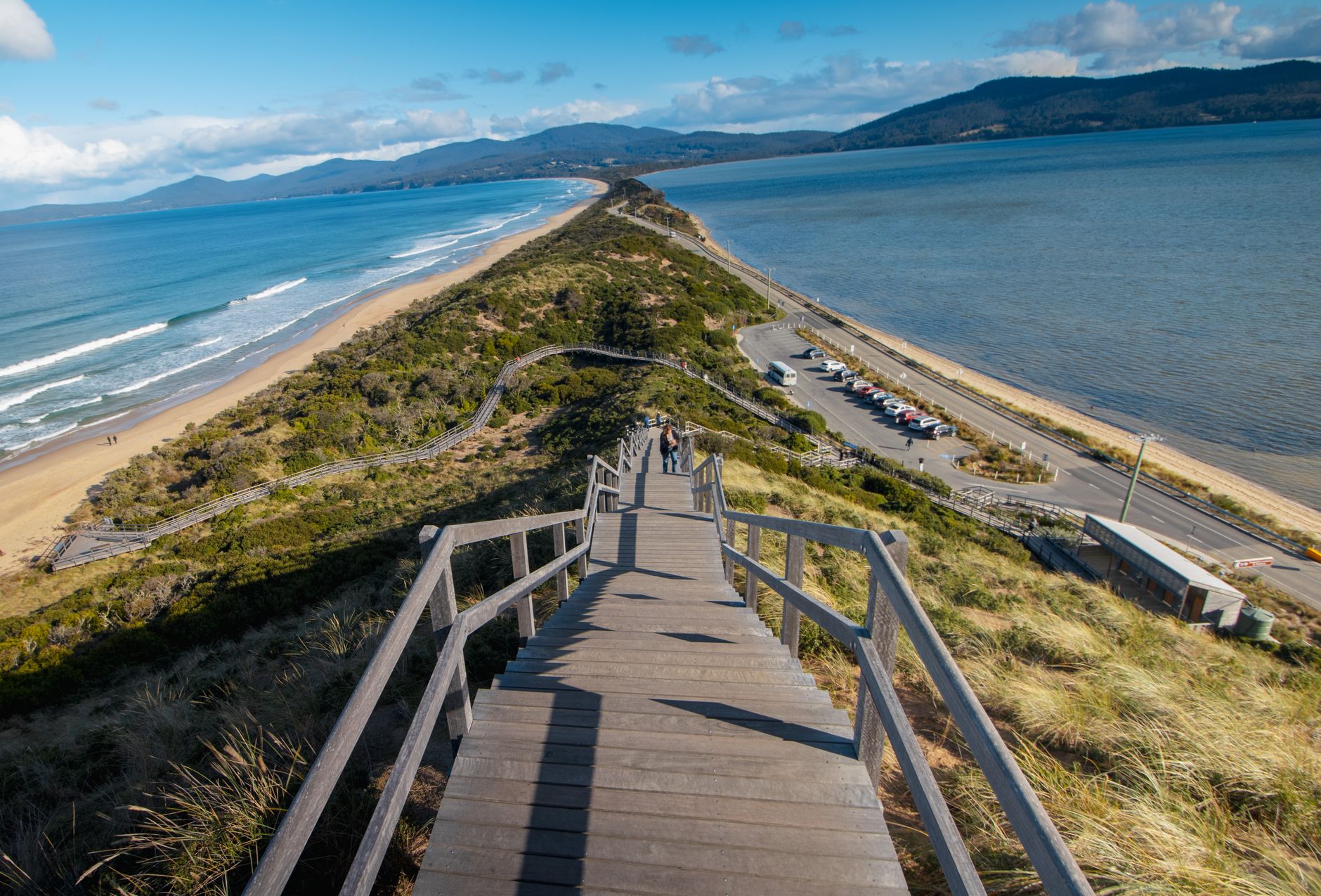
A shark bite off Bruny Island is exactly the sort of report that makes cold-water divers re-check the weekend plan. ABC News reported a 31-year-old man was bitten on the forearm near Coal Point on Friday morning while diving about 50 metres offshore in roughly 8 metres of water. He got back to shore with his group before emergency crews stepped in. His injuries were described as non-life-threatening. A relief, obviously. Still, the setup is what will make plenty of Tasmanian ocean users sit up: close to shore, cold water, routine enough until it wasn’t.
The shark is believed to have been a two-metre broadnose sevengill, which keeps this in the practical-risk lane rather than the usual shark-panic lane. The Examiner reported the diver was flown to hospital after the bite. For local spearos, divers and winter fishos, the scale of it is the point. About 50 metres out. About 8 metres down. No early sign of some reckless deepwater mission.
Tasmania Police have treated the bite as isolated. That matters, but it should not make the detail disappear. Bruny is familiar country for many locals, and familiar water has a way of feeling safer than it really is. One minute it is a normal winter session. Then a shark moves through the same pocket and the whole day changes. That is not a reason to abandon the coast. It is a reason to pay attention.
Tasmania Police told ABC News people planning to swim or dive in the area should stay alert and follow local advice. Inspector Darren Latham put it plainly.
“While this appears to be an isolated incident, we are reminding anyone planning to swim or dive in the area to remain vigilant, follow local safety advice and be aware of their surroundings.”
Darren Latham, Tasmania Police inspector
That line can sound like standard post-incident language until the incident is this specific. For anyone already eyeing a dive around the area, it means checking the exact location, waiting for any updated advice and taking a proper look at conditions before zipping up. Panic does not help. Neither does the old bloke’s instinct to shrug and say it will be right.
Why the species call matters
The broadnose sevengill detail helps keep the temperature down. ABC’s report cited shark researcher and author Chris Black, who said bites like this are better understood as an animal testing what it has found than a shark deliberately hunting a person. That does not soften the injury. It does point the conversation back to risk management: location, conditions, fresh warnings and what other ocean users are seeing.
“Sharks do not seek out humans to bite, rather they test what they encounter to see if it’s edible.”
Chris Black, shark researcher and author
Those ordinary numbers are still doing a lot of work. Fifty metres offshore is not much. Eight metres deep is the kind of depth plenty of divers know. A shark thought to be about 2 metres long is enough to do real damage without fitting the cartoon version of a monster. Small details, big reminder.
So the useful read is narrow. Treat the Bruny Island bite as fresh local information, not a reason to write off the whole Tasmanian coast. Check the latest advice, watch what authorities say next and do not dismiss the report because the injuries were not life-threatening. The diver survived, which matters most. Anyone heading into familiar water this weekend still gets the warning: routine can turn serious quickly.
Tommo splits his weekends between the high country and the footy. He writes about camping, 4WDing, fishing and the general business of being a husband and dad who still gets a leave pass. Drives a diesel he refuses to shut up about.
The DudeWorld brief
BBQ, tools, camping and footy — the good stuff, weekly in your inbox.
Subscribe