A flip-phone month sounds great until real life starts calling
Smartphone detox sounds good until school apps, maps, work chats and bank logins pile up. The calmer answer is usually friction, not exile.
Ask around and plenty of blokes will say they want less screen time. Then 8:12am happens. A school app wants a permission slip, the work chat wants an answer, the bank wants a code, the servo wants a tap, and the easiest way to find the kid’s Saturday ground is still the map in your pocket. Flip phone sounds lovely. Real life, less so: the smartphone has quietly become the front desk for adult life.
That is why Seattle’s Month Offline challenge is more useful than another nostalgia yarn about chunky handsets. For 35 days, the first cohort asked people to swap smartphones for flip phones or other stripped-back devices. Organisers expected 10 to 20 people. Nearly 40 turned up. Big enough to prove the itch is real. Big enough, too, to show what breaks once the phone stops being a toy and simply is not there.
Purity is not the pitch, which helps. In the GeekWire feature on the Seattle group, former banker James Wagar and therapist Maggie Hollinbeck treat the project as a supported routine, not a moral sermon. Good. The bloke-life version of this story is not about being holier than the algorithm. We want to know whether calmer days are still possible after school comms, map pins, passwords and footy group chats have all been welded to one device.
Treat the trend as a stress test. Attention feels expensive now. A quieter pocket sounds brilliant. The question is not whether we can survive like it is 2004; it is which jobs the smartphone now does so automatically that ripping it out creates more grief than relief.
The phone is not just a distraction anymore
Missing Instagram is not the hard part. What bites is the admin. The phone now does work that used to be spread across a wallet, a street directory, a desktop computer and the memory of the most organised person in the house.

The user-affected argument comes down to logistics. A dumb-phone switch falls over on errands before it falls over on cravings. Consumer Reports’ first-person flip-phone trial found that losing access to the app ecosystem was the pain point that kept surfacing. Boredom was not the killer. Payments, directions, event tickets, group messaging and every tiny task modern life expects you to finish in your hand, right now, while you are halfway through something else, were the real problem.
You see the same tension in TechCrunch’s piece on Dumb Co, a company trying to split the difference with a hacked flip phone that syncs to an iPhone. The whole pitch only makes sense because the clean break usually does not. Founder Afreka Ebanks put it this way:
“We are trying to make something where you can leave your smartphone at home and literally just live your life and engage with other people.”
Afreka Ebanks, TechCrunch
Most of us recognise that promise. The phone turns dead time into scroll time. It drags work into the couch and mates’ chat into the checkout queue. Saturday arvo feels oddly crowded even when nothing much is happening. Same device, though, gets you to the oval, proves you paid the rego, resets the banking login and tells you the bottle shop shuts in nine minutes.
Two wishes hide inside the average bloke’s smartphone-detox line. One is emotional: less noise, less reachability, less checking for no bloody reason. The other is practical: please do not make the rest of my life harder. Most flip-phone fantasies come unstuck on the second one.
Why the detox pitch still lands anyway
Still, the appetite is real. A paying cohort in Seattle does not happen unless people are already fed up with how much of their day disappears into the glass. The organisers’ sharpest insight is that most people struggle to unplug alone because the whole culture keeps tugging the other way.

Wagar put it plainly in GeekWire’s report:
“We (finally) seem to be at the beginning of a cultural moment with more people seriously evaluating their relationships with technology.”
James Wagar, GeekWire
That lines up with the broader analyst view. The Atlantic’s earlier look at Month Offline framed the project less as gimmick than as paid scaffolding for people who already know they are leaking little pieces of focus all day. Cohorts cost $75, which says something useful on its own: people will pay for boundaries when they no longer trust themselves to set them.
Hollinbeck’s version of the idea is even more grounded:
“It’s gonna take a village, so we’re building one.”
Maggie Hollinbeck, GeekWire
That sentence explains why these programs exist. It also admits the challenge is not hardware. Habit, expectation and social coordination are doing most of the work. Change phones and you also change how available you are, how quickly you reply and how many little digital errands you are willing to shove back to tomorrow.
The evidence for some benefit is stronger than the eye-rolling takes suggest. A PNAS Nexus study found that blocking mobile internet on smartphones for two weeks improved mood, attention or well-being for 91% of participants. A broader scoping review on digital detox strategies landed in roughly the same place, with an important caveat: outcomes depend heavily on motivation, context and what people are actually cutting out. Put plainly, dumb phones do not magically fix the soul. Fewer triggers and fewer paths back into the feed can help when the change fits real life instead of picking a fight with it.
No surprise, then, that this trend keeps resurfacing. Not because everybody wants to cosplay the early 2000s. Because a lot of adults can feel the tax. A quieter mind sounds great. Wrecking the school pickup, the work roster or the family calendar does not.
The honest fix is friction, not fantasy
Skeptics have a fair point here. The smartphone-dependent world is not a conspiracy. It is just the shape of the systems around us. Phones became load-bearing because they are the cheapest place to stack tickets, maps, identity checks, chats, boarding passes, payment cards and every other small piece of life admin.
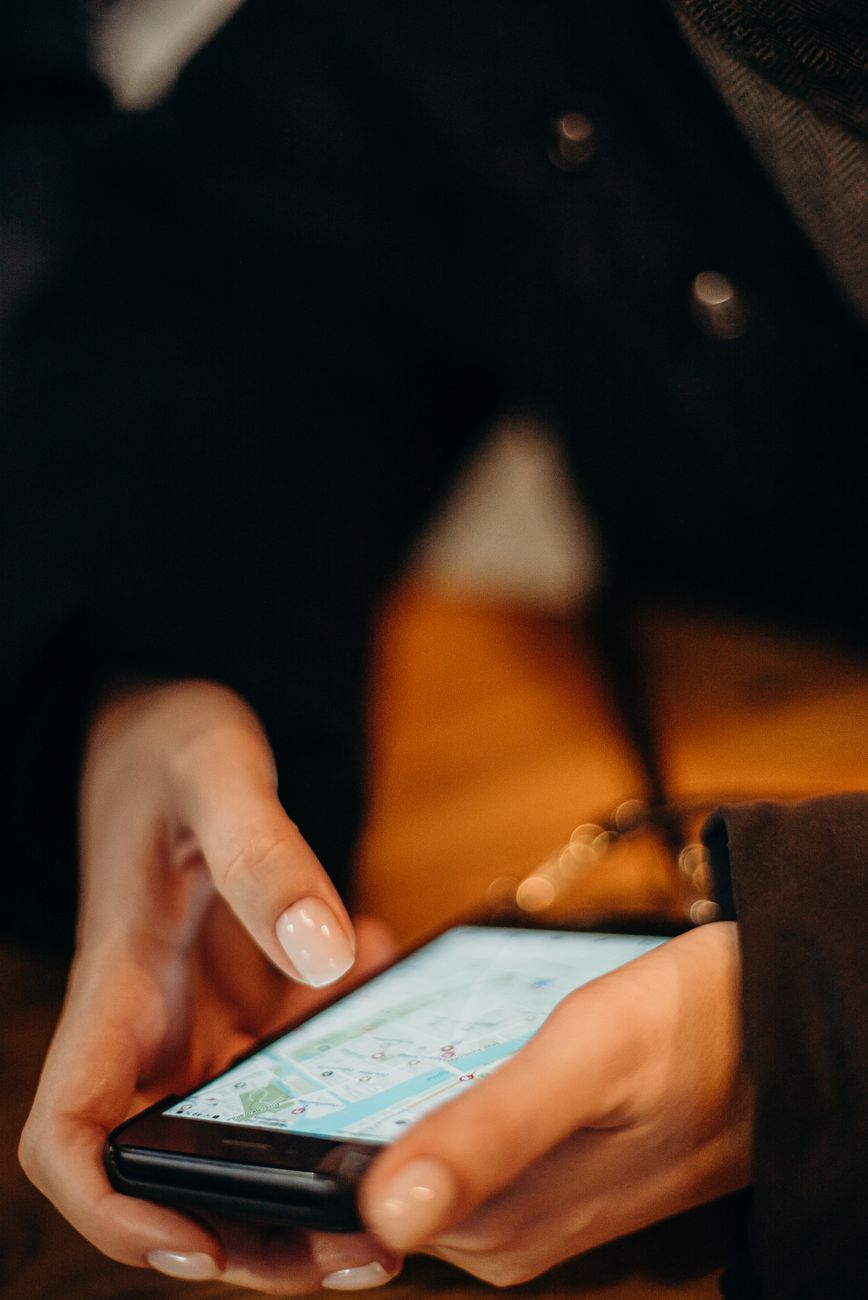
Even the anti-smartphone market keeps admitting this by accident. Fast Company argued that the Light Phone risks getting too smart, which sounds funny until you realise it is a demand signal. People do not want a brick. They want a calmer tool that still covers the jobs they cannot duck. Detox devices keep getting dragged back toward usefulness because usefulness is the bit adults cannot surrender.
That is why the more believable compromise often looks boring. 9to5Mac’s guide to turning an iPhone into a dumb phone is not romantic, but it may be closer to the truth for families, shift workers and anyone living inside two-factor codes. Strip the worst apps. Keep maps, banking, school comms and the essentials. Put friction around the stuff that steals time, not the stuff that keeps the house moving.
For a lot of Aussie blokes, that is the answer to the question Seattle raises. Can you live on a flip phone for a month? Maybe, if your work is forgiving, your social circle is on board and your day does not depend on five separate apps before lunch. Could you make your smartphone act less like a pokies machine and more like a tool? Far more realistic.
There is useful humility in that answer. The win is not proving you are pure enough to survive without a slab of glass. The win is working out which digital conveniences earn their keep and which ones are freeloaders with good branding. If the smartphone detox movement is telling us anything, it is that the phone has claimed too many jobs by default, and adults are finally starting to ask for some of them back.
Seattle’s little Month Offline trial matters because it turns that vague feeling into a proper test. We can admire the romance of the flip phone. We can even pinch a few lessons from it. Once real life starts asking things of you, though, the smarter play is usually not exile. It is boundaries.
The DudeWorld brief
BBQ, tools, camping and footy — the good stuff, weekly in your inbox.
Subscribe