The weird corner of surfing Kyra Jonsun helped shape
Kyra Jonsun surfboard legacy lives in Wollongong's shaping bays, kneeboard experiments and the local ocean scene that still talks gear.
Surf towns do not always measure influence with trophies or framed magazine covers. Sometimes it is an old shaper stopping mid-sentence because one of your odd ideas still nags at him. Maybe it is a half-finished blank on trestles, a fin set-up nobody quite trusts yet, and someone asking what happens if the thing flexes a little more. That is the corner of Australian ocean culture Kyra Jonsun belonged to.
After a house fire in Coniston, in Wollongong’s south, Jonsun died this week aged 71. NSW authorities said crews were called to the home about 5.30pm on July 13. Her death was one of six structure-fire deaths recorded in the state this winter. Grim peg. Different surf story. Jonsun helped keep Australian surfcraft a bit weird, in the useful way that only people who actually ride and make things tend to manage.
Run it only as a board-design yarn and the person goes missing. Claire Murphy told ABC Jonsun was “a cornerstone” of the elderly trans community in the Illawarra. That absence sits beside the craft loss, not behind it. Jonsun mattered because she could turn questions into boards, and because people well beyond the shaping bay felt steadier with her around.
Why local shapers kept listening
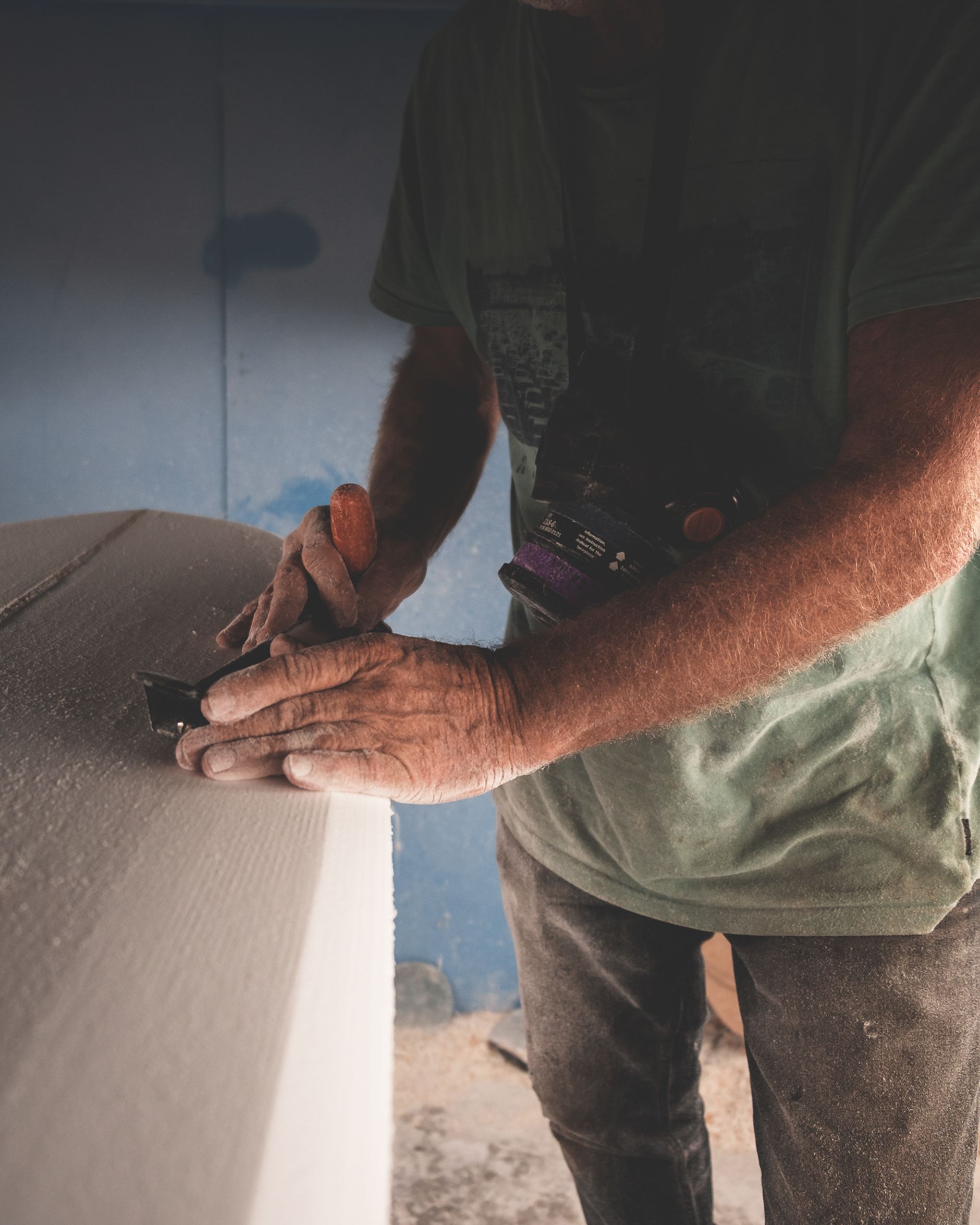
Surfcraft history usually starts as workshop memory. Before anyone files it neatly, it lives in the bloke sweeping foam dust, the mate who remembers which board went strangely well at Sandon, and the shaper who can still point to the bit that changed. Jonsun was part of the Wollongong orbit around board maker John Skipp, whose factory opened in 1970 and went on to turn out about 30,000 surfboards. Handy number. Better setting. The Illawarra had a real making scene, where talk could become foam dust the same afternoon.

Skipp, in ABC’s earlier reporting on his factory, remembered Jonsun as someone who turned up when there was a new idea to test, not just when there was a finished board to admire.
“[She] would come in whenever he had a new idea.”
John Skipp, ABC News
Small quote. Useful quote. Every shaping scene has people who like the polished object, then a smaller group who like the problem before the object exists. Jonsun sounds like the second kind. The reporting around her death describes work with flexible materials, fins, channel bottoms and kneeboards. That is not brand-deck stuff. It is local craft thinking: could it turn earlier, hold cleaner, feel stranger under the feet in a good way?
Wollongong helps explain the tone of it. Not a corporate R&D lab. Not an innovation bunker with frosted glass and terrible coffee. Board making, beach time, cameras and community life all rubbing against each other. Surf culture here has always had a shed-and-beach strain. A fair bit happens after everyone else has gone for a beer.
Jonsun belonged to the experimental branch of surf history
Place Jonsun in the longer line of board design and the grief needs a bit of ballast. The Australian National Maritime Museum’s history of surfboards is useful because it shows how much of surfing’s evolution came from material shifts: heavy timber giving way to lighter constructions, then lighter boards making more experimentation possible. Once boards became easier to manipulate, design stopped being fixed. It became a running argument.
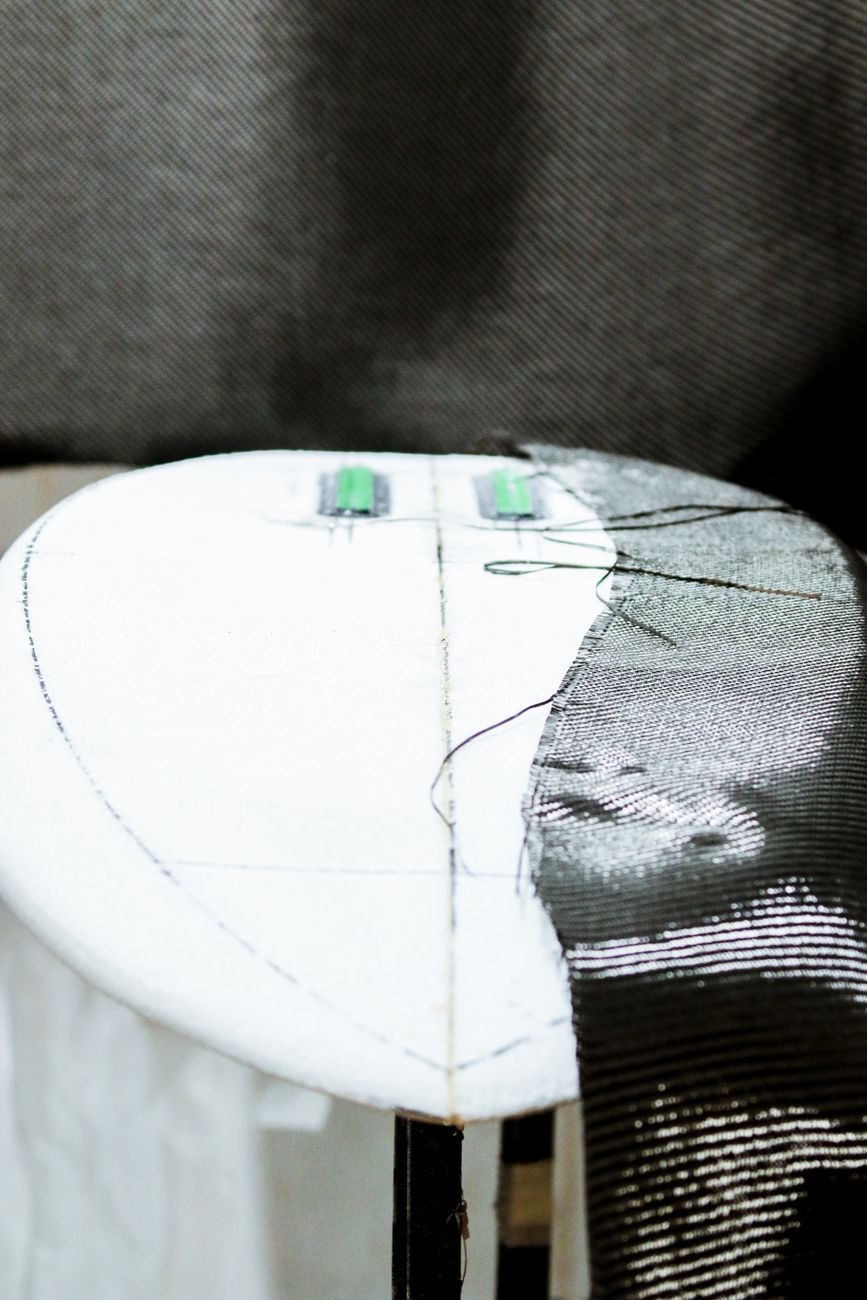
Jonsun belongs in that argument. Nobody needs to pretend she was a lone inventor who changed everything by herself. The sourcing does not carry that, and surf history is full of people pushing similar ideas in different bays. Better to put it plainly: she was in the inventive lane, and the people who built and rode boards around Wollongong still talk about her that way.
Kneeboards give the game away. In mainstream surf storytelling, they often get shoved down a side street while shortboards and sponsored contests take the highway. Design-wise, though, kneeboards are serious little puzzles. A small change in outline, bottom contour or fin set-up can change the whole feel. If Jonsun kept returning to them, as the ABC reporting shows, she was chasing response and feel rather than mass approval. Good weird usually starts there.
Winterstick points the same way. Reports say she later worked with the snowboard maker, and precision matters. We are not saying she invented some grand crossover by herself. We are saying the curiosity travelled. Board people often think like that. Once you care about edges, flex and what the rider feels through the feet, the medium can change without the instinct disappearing.
The Wollongong scene made the ideas matter
Local scenes are what turn ideas into memory. One reason Jonsun’s death landed hard is that the Illawarra seems to have known what sort of person it had in her. Surf historian Stu Nettle told ABC that the threads of her life generally met in surfing, which may be the neatest frame anyone has put on it.
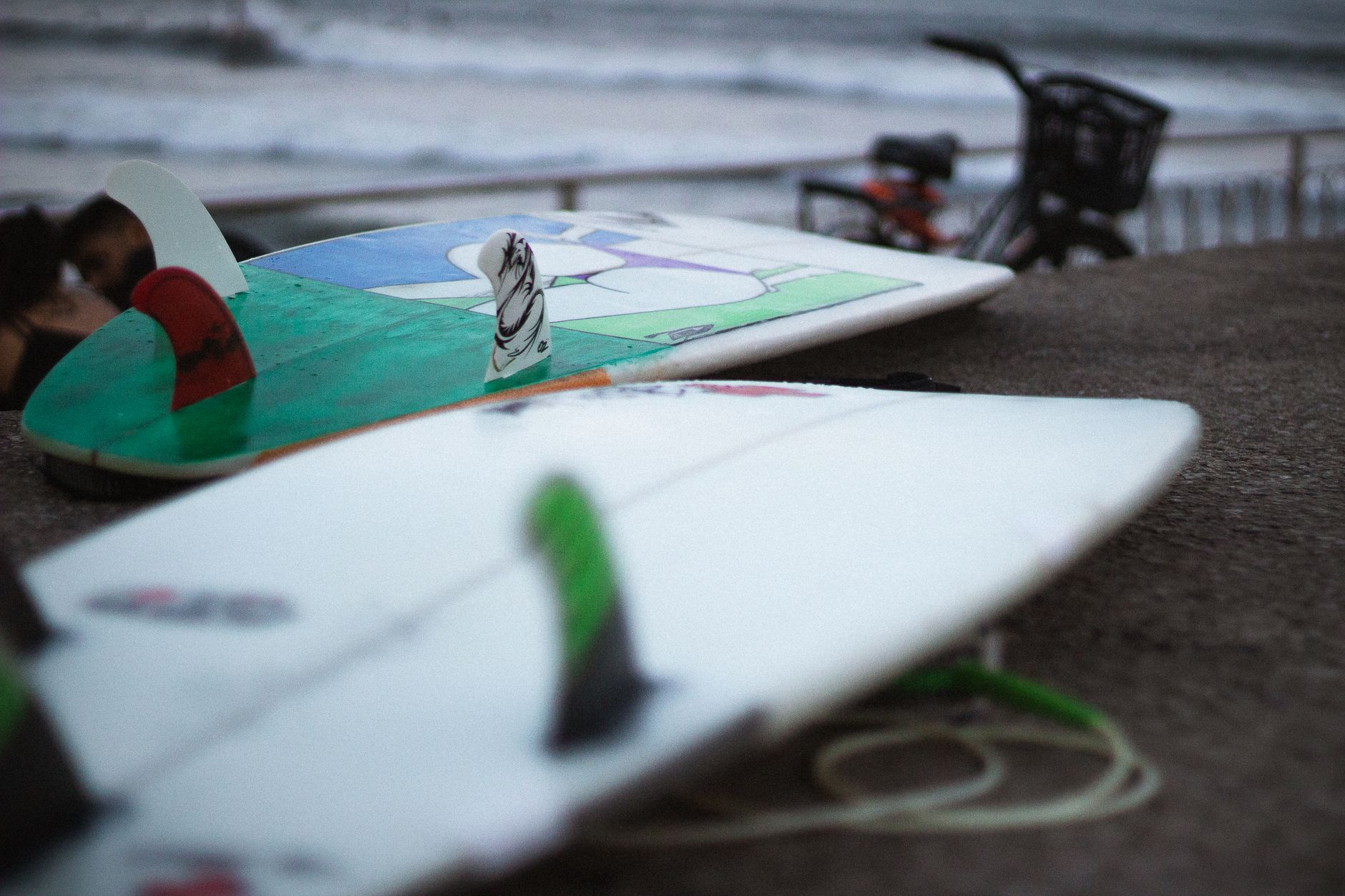
“There’s lots of different threads of her life that come together and they all generally meet in surfing,”
Stu Nettle, ABC News
Nettle’s line works because it does not force a choice between Jonsun the designer, the kneeboarder, the photographer or the advocate. The ocean was the meeting place. In Wollongong, that rings true enough. Surf scenes are rarely tidy. The same person might shape a board, shoot photos, fix a ding, argue about a fin placement nobody else noticed, then show up for someone nowhere near the beach.
Murphy’s tribute widens the story. Jonsun was not just a technical influence floating in surf-lore amber. By Murphy’s account, she was a living piece of social infrastructure for older trans people in the region. That stops the craft story becoming too neat. Real local legends are usually inconvenient like that. They mean one thing in the water, another thing in town, and something else again to the people who relied on them.
“She was a cornerstone of the elderly trans community. A lot of people will feel her absence.”
Claire Murphy, ABC News
The civic loss was also clear in the Illawarra Mercury’s reporting from Coniston, which treated Jonsun as a local cultural figure rather than a name in a police brief.
Hold the tension there. Board people will talk about channels, fins and flex. The community will talk about kindness, presence and the person-sized hole left behind. Both memories belong. The overlap is the point. Surfers remember the experiments because Jonsun was there, asking better questions than most people ask. Others remember the person for much the same reason.
Why her legacy still matters to Australian surf culture
Lazy tributes can turn every death into a claim that nobody else ever did anything similar, which is not fair to surfboard history or to Jonsun. The history is too sprawling, too local and too full of half-remembered experiments for that. Equally lazy is letting only the biggest commercial names carry the story. That misses how Australian surf culture actually works. A lot of the movement happens in side rooms, small factories, beach car parks and regional scenes well away from the glossy centre.
Put her story in that second version. Jonsun mattered because she kept pushing at surfcraft from the inside, because Wollongong had the kind of scene that could absorb and test those ideas, and because people around her keep reaching for the same words: curiosity, invention, generosity. That is a better legacy than brand fame. Fame ages badly. Useful ideas keep showing up under someone else’s feet.
For DudeWorld readers, that is the bit to hang onto. Even if you never rode a kneeboard and could not tell a channel bottom from a cheese board after two tins, you know the type. Every decent scene has one. The person more interested in whether the thing works than whether it looks finished. The mate who keeps fiddling. The local character whose influence lives in other people’s habits. Australian surf culture loses something whenever one of those people goes, because they stop the whole caper getting too polished, too branded and too boring.
Kyra Jonsun’s death is sad news. Her legacy is sturdier than that. It sits in old boards, workshop memory, Wollongong surf talk and the stubborn idea that the weird corner of design is often where the useful progress starts. Not a bad thing to leave behind.
The DudeWorld brief
BBQ, tools, camping and footy — the good stuff, weekly in your inbox.
Subscribe