The memorial Mount Isa still owes its dead miners
Mount Isa miners memorial plans are done and costed at $2.7 million, but families of 151 dead workers are still waiting for it to be built.
Mount Isa has the drawings, the site and a price on the job. Still missing is the bit that matters: a memorial in the ground for the 151 miners who died working at Mount Isa. For a town built on hard shifts, dust and risk, that empty space says more than another tidy speech about heritage ever will.
This cuts past the usual mining-history crowd. Families are not asking for a bronze plaque hidden beside a car park. They want a place to stand. Younger workers should be able to see what the job used to cost, and the town should have to admit that not all the money came out of the ground clean. By government standards, the reported $2.7 million estimate and the earlier $300,000 design spend are small beer. Price is not the awkward bit. Choosing to build it is.
Already, the needs pull in different directions. Families want dignity. Former miners want the safety story told straight. Local backers want the state to stop treating it as someone else’s errand. Judging by CA Architects’ project brief, the designers have the hard brief: build a place that can carry mourning, local history and a blunt reminder of what underground work once took from blokes and their families.
The part Mount Isa has already done
Nobody is trying to drag Mount Isa from a pub-chat idea to a first sketch. According to Mount Isa City Council’s concept-and-design update, the memorial precinct has already been worked through. Committee work happened. Council paid for concept and detailed design. A site was identified. The price was written down. “Shovel-ready” is not decoration here. It means the slow, fiddly planning work has already been done.
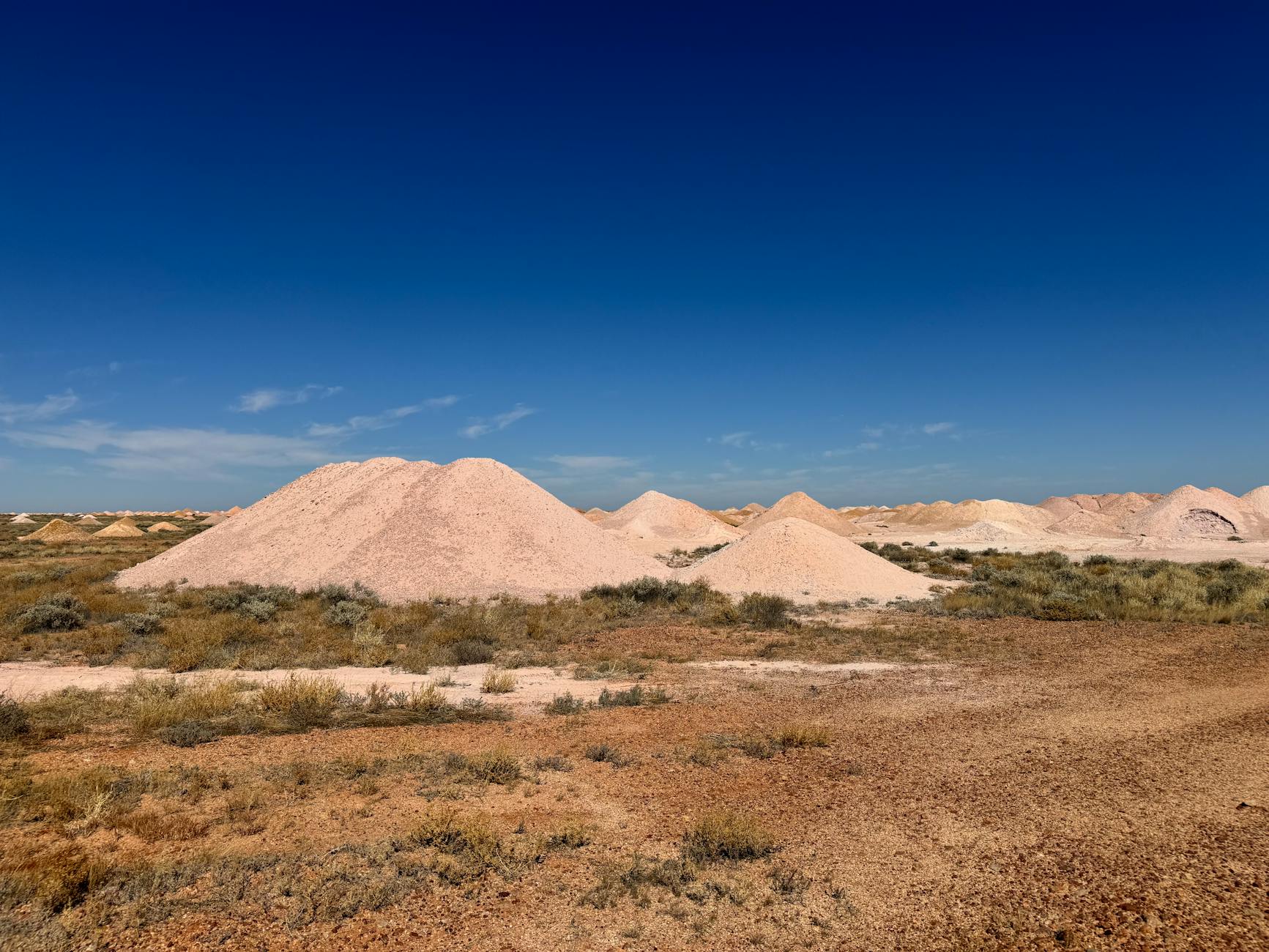
So the question changes. Can Mount Isa picture a memorial? Obviously. Why, then, can a town that has already priced remembrance not get it poured, planted and opened? The North West Star’s earlier reporting shows the issue drifting through local campaigns, queen quests and committee rooms. That is often the sign that everyone agrees in principle and nobody wants to own the cheque.
In ABC News’s report, Steve Trevor put the project’s status more plainly than a ministerial brief ever could.
“We have costed plans, designs and a location; the project remains shovel-ready.”
Steve Trevor, ABC News
His line removes the usual hiding places. No big design mystery is left to solve. The respectful paperwork is done. What has not happened is the harder thing: the state, and the larger institutions that benefited from the mine, turning respect into concrete. After years of that, families could fairly hear delay as a verdict rather than admin.
For families, the gap is personal
A generic mining-history yarn misses the point. Brothers, sons and the phone calls families do not forget are what sit underneath this campaign. In the ABC’s account of the campaign, Claire Malyon’s memory of her brother Peter Sturmfels’ death is still sharp.
“I just thought, ‘I’ve got to call home,’”
Claire Malyon, ABC News
Small quote. Big thump. There is no polish in it, just the awful moment when work goes bad and home has to be told. Fifty years on, the fact that Malyon and Bev McKay are still pushing should make the rest of us a bit uncomfortable. Australia is very good at praising dangerous work while the money is flowing. Once the siren stops, we get patchier.
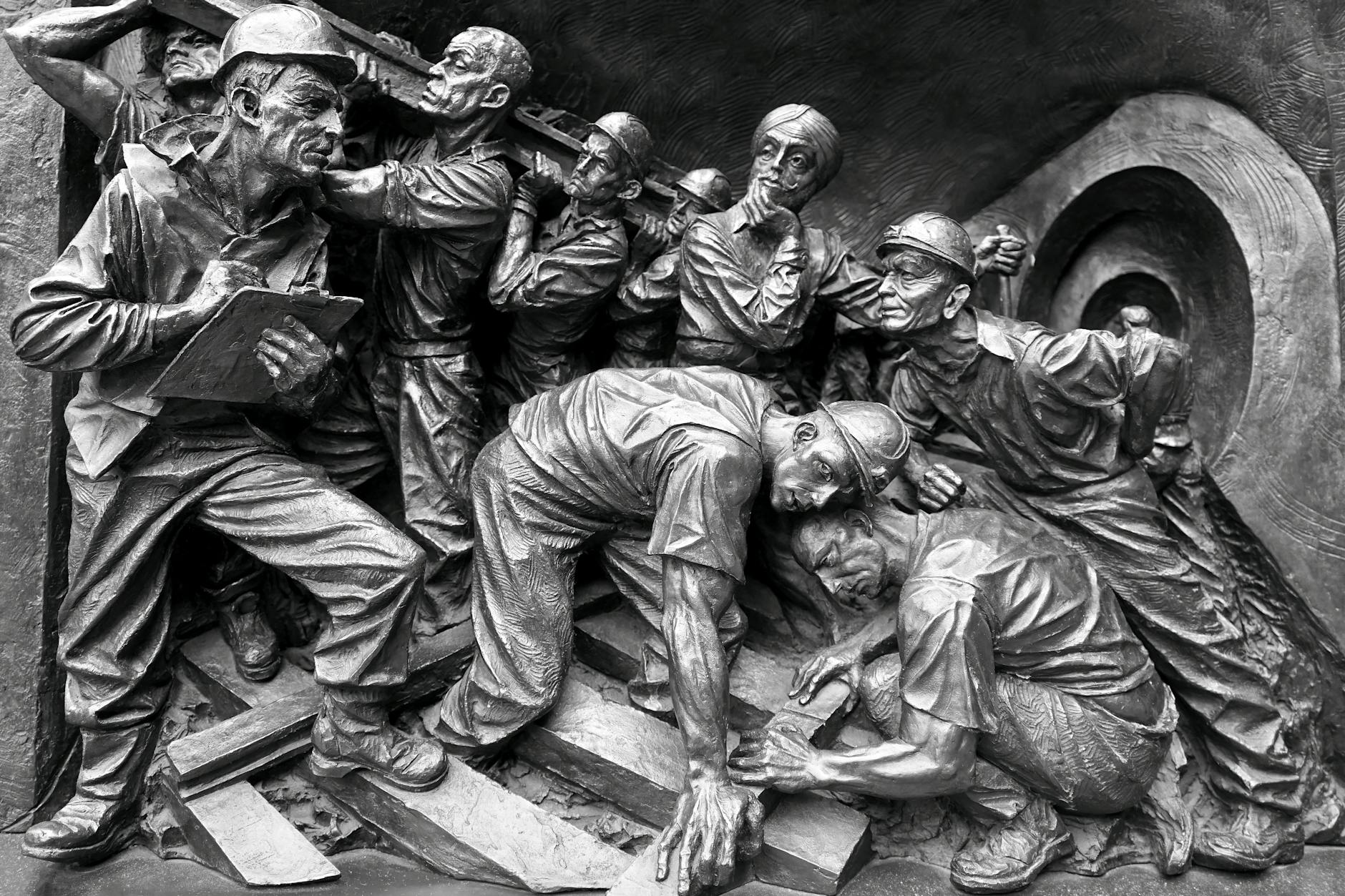
A better comparison than another promise is Moura’s memorial museum. That place did not undo the losses, obviously, but it gave families a recognised address for memory and gave the town somewhere to teach the story properly. Once a memorial exists, the dead stop being a number in an anniversary article and become part of the public ground. Grief gets somewhere to go.
Delay bites harder in towns that run on turnover. Workers leave. Owners change. Councils roll over. Public attention wanders off. Without a marker, memory depends on whoever is still around to say the names. That is a flimsy system. Families age. Campaigners run out of puff. Kids grow up hearing the memorial is coming “one day”, which in Australian public life usually means “only if someone keeps making a nuisance of themselves”.
A memorial can also tell the truth about the job
Old mine towns do more than mourn the dead. They remember how safety used to work when production sat at the top of the board. The ABC report notes that more than 80 per cent of the 151 deaths happened between the 1930s and 1980s, and that the last fatality at the mine was in 2014. Read that slowly. Yes, the job became safer. It also took far too long.
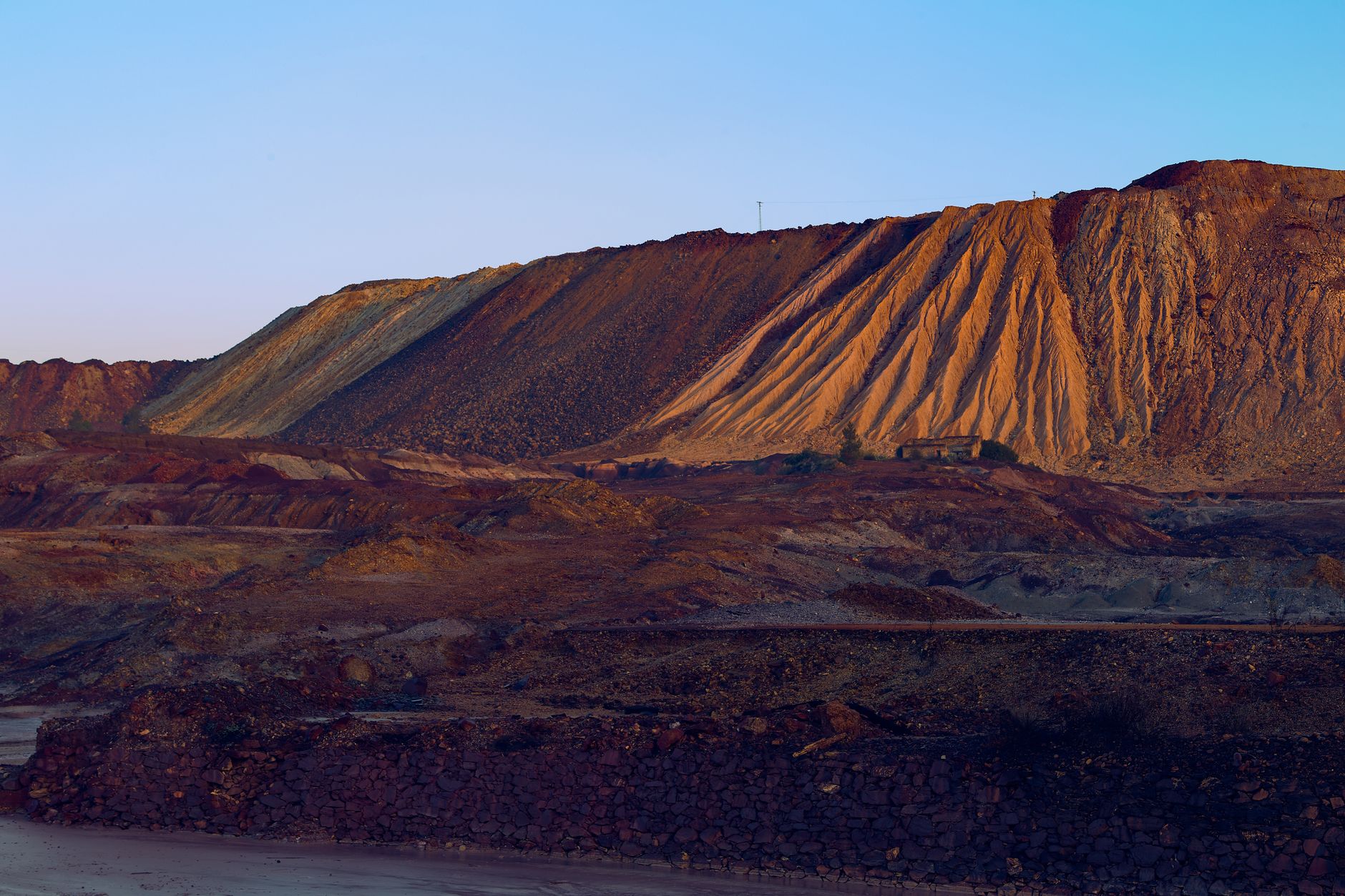
A vague “lest we forget” installation would be the soft version. Mount Isa deserves something plainer: names, the scale of the loss and room for the harder talk about what production-first culture meant. Council material has already pointed to safety improvements over time. Good. Worksite blokes do not need a sanitised legend. Give them the plain version: the job fed families, built the town and killed too many workers before the rules caught up.
Former miners and campaigners may come at the project from a different angle to the families, but not in conflict with them. Families need somewhere to grieve. Insiders want the memorial to keep the town honest. Those are two ends of the same job. Done properly, personal loss and the safety lesson should be hard to separate.
Design matters because tone can go wrong fast. CA Architects describes the project as a respectful place for family and friends, which is the right starting point. The bigger test is whether it can avoid turning industrial death into a prettied-up tourist stop. Spare, local and factual would do the job: names, dates, the mine’s story, enough shade, enough quiet. Mount Isa does not need a theme-park version of remembrance. It needs a place that can survive heat, dust and time and still mean something on a random Tuesday.
Queensland already knows how to do this. It just has to decide to.
Nobody is asking Queensland to invent a new kind of public memory. Mining towns have already built their own versions. Moura has one. Charters Towers has its Miners’ Memorial Walk. Shapes change from place to place, but the principle is settled enough: when an industry built a town and men died doing the work, a public memorial is not a luxury extra.
Bluntly, why should the state help pay? Because this is bigger than a local beautification project. Council has already shown good faith by funding the design work. The cost is modest by government standards. The deaths sit inside one of Queensland’s defining industries. And, as ABC reported, local MP Robbie Katter is arguing that recognition is owed, not optional.
“It’s only fair the state should pay respect to those who paid the ultimate sacrifice.”
Robbie Katter, ABC News
Argue over the grant pool if you like. Pick a ministerial office. Find a line item. That is the policy version of rearranging the esky while the ute is still bogged. The bigger point is that the state is the only player big enough to stop this becoming another decade of sympathy without a build date.
Here is why this one lands for DudeWorld, too. Plenty of our readers have done work where the risk is not theoretical: construction, transport, mining, ag, manufacturing. Every trade has old stories that start with “back then” and end with somebody not coming home. A memorial does not fix that. It does stop the dead being remembered only when a family member or a local reporter drags the subject back into daylight.
Mount Isa got rich off dangerous work. That is not an accusation so much as the plain history of the place. Pretending the memorial is still a fuzzy aspiration waiting for more consultation would be the least serious response now. The town has the plan. The families have waited long enough. The numbers are known. What remains is the bit governments always claim to value: turning respect into something you can actually point at.
The DudeWorld brief
BBQ, tools, camping and footy — the good stuff, weekly in your inbox.
Subscribe