Sam Neill's Two Paddocks was not a vanity vineyard
Sam Neill Two Paddocks legacy was more than celebrity wine: 1993 vines, real Central Otago pinot, and a label drinkers remembered as credible.
Most of the obits will send people straight back to Jurassic Park, The Piano, and that Sam Neill trick where he could look calm, alarmed and amused without moving much of his face. Fair enough. For drinkers, there is another way to toast him. He spent decades building Two Paddocks, a Central Otago wine label that felt like a proper business, not a famous bloke’s souvenir stand.
Wine people are brutal on vanity projects. Slap a celebrity name on the label, sell a few cases on curiosity, then watch the whole thing drift toward gift-shop stock. Neill’s bottles never really sat in that lane. The useful DudeWorld angle is simple enough: plenty of people around wine seemed to treat Two Paddocks as work, not merch.
Ask the sceptic’s question early. Are we saying that because he has died, and because death sands the rough bits off every side hustle? Maybe. If the bottle mattered, though, there should be signs of it beyond film nostalgia and kind social posts.
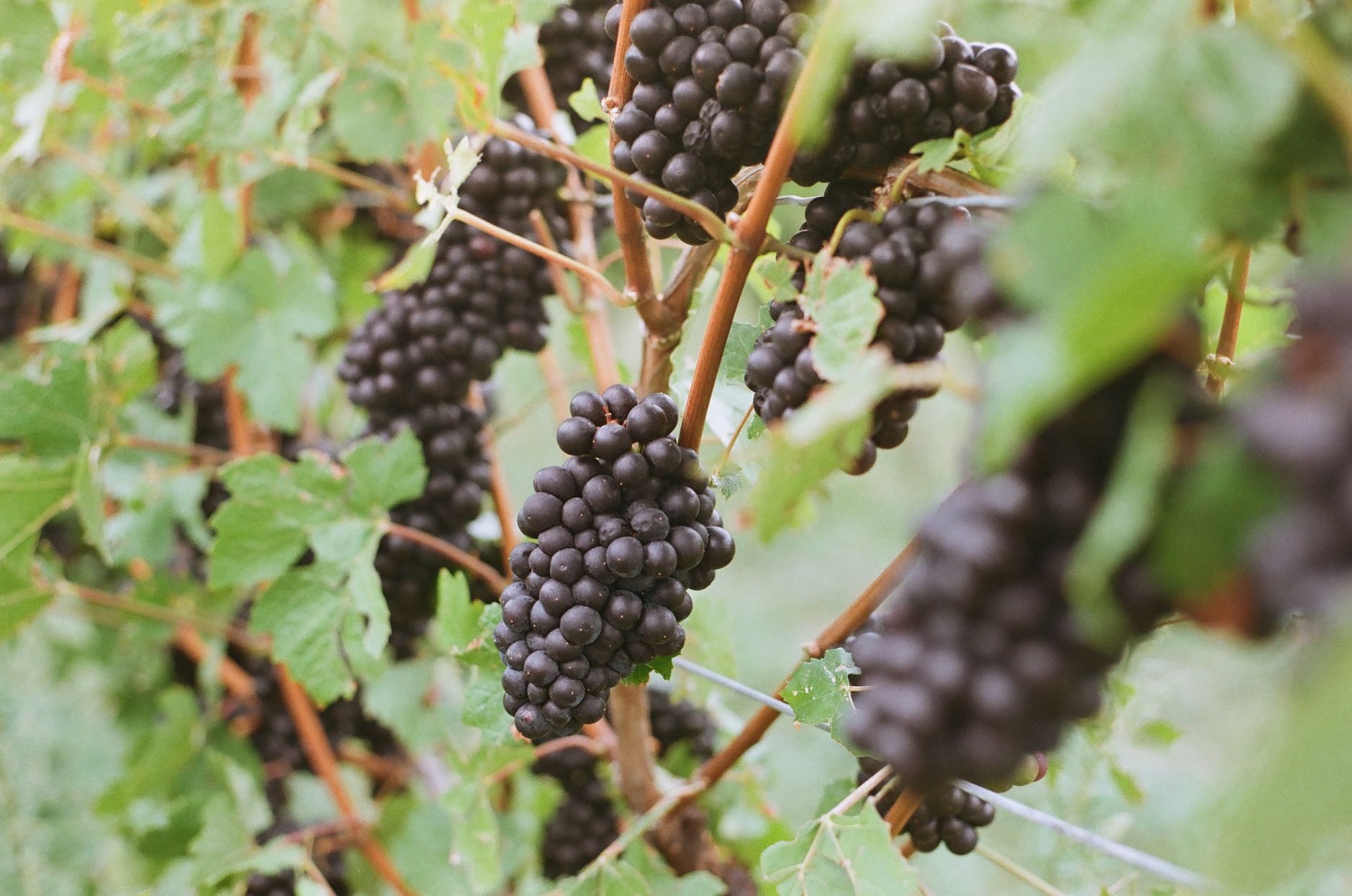
Those signs are there. Across the remembrances, writers keep reaching for practical markers: Neill planted his first vines in 1993 and had the first harvest in 1997, the original block grew to five hectares, and the winery now talks plainly about four certified organic vineyards in Central Otago. You do not save those details for a novelty label. They are the bits that stick when the work underneath was real.
The vineyard was not a prop
From inside the glass, Two Paddocks is easy to read. Vineyard first. Celebrity asset second.

Neill did not arrive at the end, sign a few cases and disappear. Look at the public record: vines in 1993, first harvest in 1997, then a steady build around the cold-climate wines people in that region actually argue about, chiefly pinot noir, with riesling in the mix. Two Paddocks’ own site does not sell the place as a celebrity museum. Instead, it sells four organic vineyards, one region, one style and a house view of how that country should taste.
Central Otago is not the sort of wine story you bluff your way through for a photo op. Pick that patch for thirty years and you are choosing a fairly specific identity: cold mornings, leaner fruit, structure over jam, patience over flash. Even SmartCompany’s business-side remembrance made the same point without getting misty about it. Regional focus gave the wine side its weight.
Neill said as much himself.
“I love my professional working life as an actor, but I equally love my life as part of the winemaking community, as part of an agricultural community, as being part of the cycle of nature.”
Sam Neill, ABC’s Australian Story
Useful quote, that. It explains the appeal without dressing it up. He was not talking like a brand ambassador. More like someone who enjoyed belonging to a trade, with all the weather, repetition and annoying timing that comes with it. A vineyard can smell when the owner only turns up for launch day. This one never really did.
Why celebrity wine usually cops side-eye
From the market side, the view is harsher, and probably healthier. Celebrity wine has a reputation problem because plenty of it has earned one.
Too many labels lean on fame harder than farming. A known face gets the headlines, distribution arrives before reputation does, and the bottle lives or dies on novelty. Maybe the best line in this whole discussion is the quietest one in SmartCompany’s piece on Neill as a small-business owner: the label earned respect because it read as restrained and local, not as plonk with a famous name taped to the front.
Here the second test kicks in. A celebrity label works when the public persona and the product are pulling in the same direction. Neill made sense as the bloke who would rather be out with dogs, stock, weather and a glass of pinot than chasing a glossy lifestyle fantasy. Instead of fighting the image people had of him, the vineyard gave it somewhere to live. When the founder looks like he belongs in the place, drinkers tend to give the place more credit.
Still, coherence is not proof of quality. Plenty of well-cast celebrity products are ordinary. So what shows Two Paddocks was remembered for the wine itself, rather than the story attached to it?
Watch what people chose to say once the news landed. Instead of mentioning vines in passing, as if ticking off a trivia item, tributes kept landing on the act of making wine, sharing wine and being known through wine. When The Guardian gathered tributes from co-stars, the vineyard was not treated as a cute hobby. It was part of the man.
“He made wine and he shared it. What more do you want?”
Lindsay Duncan, The Guardian
No, it is not a tasting note. It is better than that, in a way. People who knew him remembered a habit, a generosity, a bottle that was opened and poured. In drinks terms, that beats shelf decor.
The bit drinkers actually recognised
Read Two Paddocks most practically and it looks like a small business story, not a fame story.

Shape made the label believable. Scale did not. One region. A defined grape focus. A hands-on founder. A team around him, including winemaker Dean Shaw, that made the place look lived in rather than licensed out. That shape is backed by the winery’s own description of four organic vineyards, and by the way ABC’s obituary reached instinctively for the vineyard timeline when trying to explain why Neill mattered off-screen. By then, it had become part of the basic biography.
Which helps with the sceptic’s hardest question. Has obituary coverage inflated a side project into something bigger than it was? We cannot know it in a neat, mathematical way. We can see the tributes returning to specific, workmanlike facts instead of soft-focus praise. Vines. Harvests. Region. Organic vineyards. Pinot noir. That is usually what happens when a business has lodged in people’s heads as a real thing.
Local framing matters too. In The Guardian’s piece on how rural New Zealand remembered Neill, he comes across less like a distant star and more like a bloke in the district who happened to be globally famous. A vanity label can borrow a region. It usually cannot earn that sort of everyday reading back from the place.
For Aussie drinkers, one plain point sits underneath it. Plenty of us did not meet Sam Neill through a film poster first. We met him, or at least one version of him, through the idea of a bottle worth opening because someone had bothered to make it properly. That is why the wine side has held up. It was a credible answer to a simple question: what did this bloke actually care about when the cameras were off?
Why the wine side now feels like the truest side story
None of this means the vineyard outranked the acting. Obviously not. But the wine story lands harder than the average celebrity side note because it says something specific about how Neill wanted to spend his time.
He did not build Two Paddocks into a sprawling lifestyle empire. Narrower was the point, and serious producers often work that way when they are trying to preserve identity instead of manufacturing buzz. The wine world tends to respect that. Ordinary drinkers do too, even if they never say it like that. A bottle is easy to romanticise. A bottle that survives the celebrity gimmick test is harder to fake.
For us, then, this does not read like obituary sentimentality. It reads like belated acknowledgement that plenty of people had quietly filed Two Paddocks away as a proper label. Not mythical. Not beyond criticism. Just real. In a category crowded with famous names and forgettable juice, that is a fair achievement.
Blunt verdict: Sam Neill’s wine legacy mattered because Two Paddocks became the sort of label drinkers could mention without rolling their eyes. For a bloke who could have sold almost anything off fame, that is about as honest a second act as you could ask for.
The DudeWorld brief
BBQ, tools, camping and footy — the good stuff, weekly in your inbox.
Subscribe