The Barkly eclipse rush is a road-trip problem first
Barkly solar eclipse 2028 planning starts with beds, fuel and road pressure, not telescope chat. Leave it late and the Territory run gets harder.
About 10,000 people are expected to roll into the Barkly for the 22 July 2028 total solar eclipse. If you’ve ever stared at a Territory map and thought, yeah, that’d be a decent run one day, the sky show is only part of the job. Maybe the easy part. The bitey stuff is beds, bowsers, daylight, road patience and how many other vans are already pointed at the same patch of country.
You can feel that pressure in ABC’s reporting from Tennant Creek and Karlu Karlu. Maximum totality on the Australian path is about five minutes. The squeeze around it could stretch across days. A bucket-list eclipse sounds terrific until you’re third in a fuel queue, your room option has vanished, and the camp spot you pictured is now a row of caravans with awnings out.
From the driver’s seat, this is a timing and comfort problem. Behind a roadhouse counter, it is stock, staff and toilets. Around a council table, it is a crowd-control job in country that does not keep a spare city-load of capacity lying around just because the rest of us fancy a better look at the sun.
This is a logistics story first
The local clues are all practical. Overflow land. Food. Fuel. Event settings. Tourism and Events NT is already pitching the eclipse as a proper drawcard, but the chat on the ground has shifted to where campers go and what turns up with them. Organised roads and beds will make the weekend feel like a win. Messy ones will turn it into a long, dusty queue with a brilliant sky bolted onto the end.
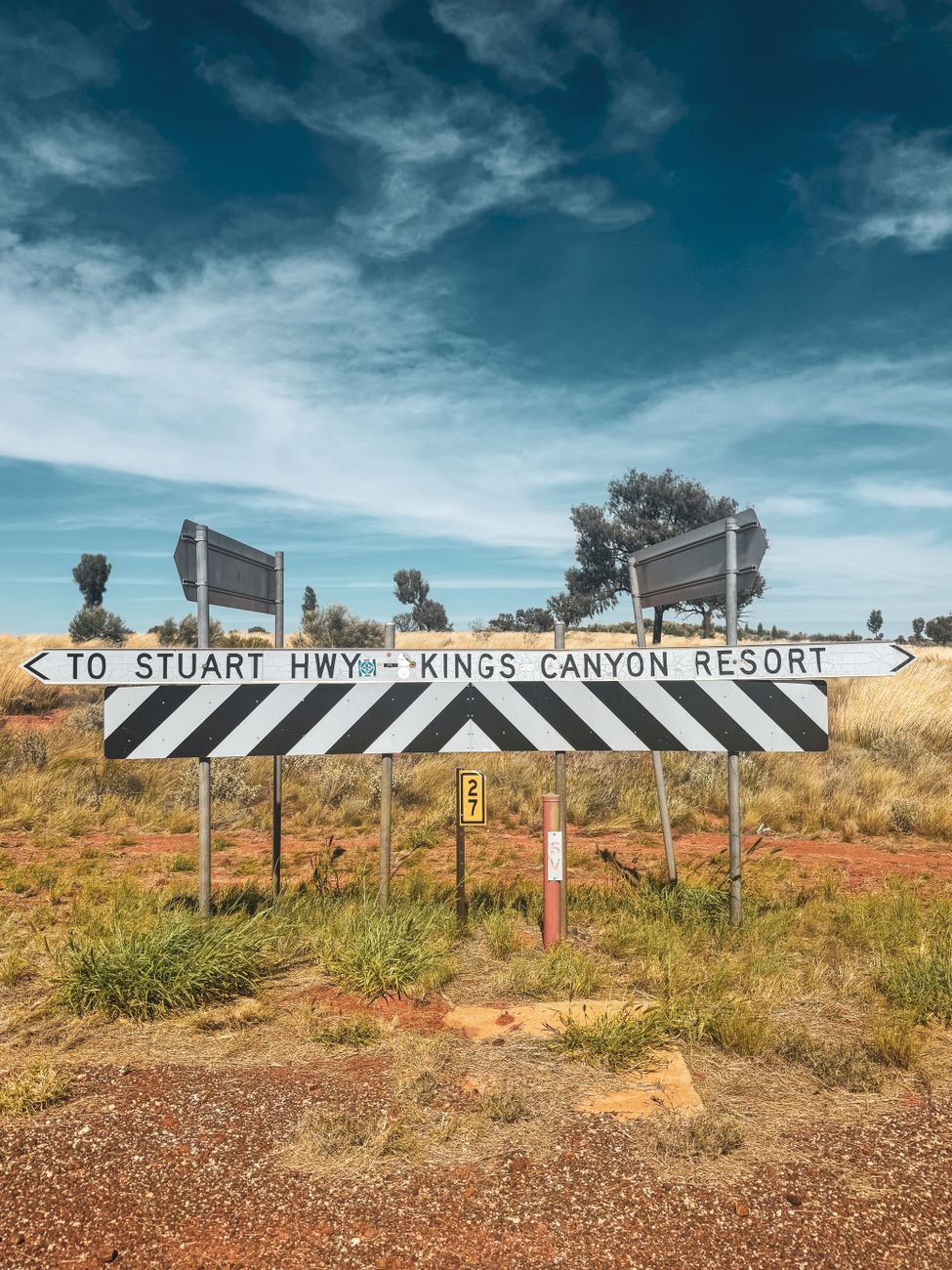
Nobody in the Barkly sounds precious about it. They are counting beds, campsites, counter meals, bowsers, portable loos and any bit of land that could take overflow once the obvious places fill. Valerie Smith from the NT tourism department told ABC the region is already trying to match visitor interest with landholders, so travellers have somewhere sensible to base themselves.
“We’re aiming to match up interest with landholders, because potentially there could be tens of thousands of people coming.”
Valerie Smith, NT Department of Tourism via ABC News
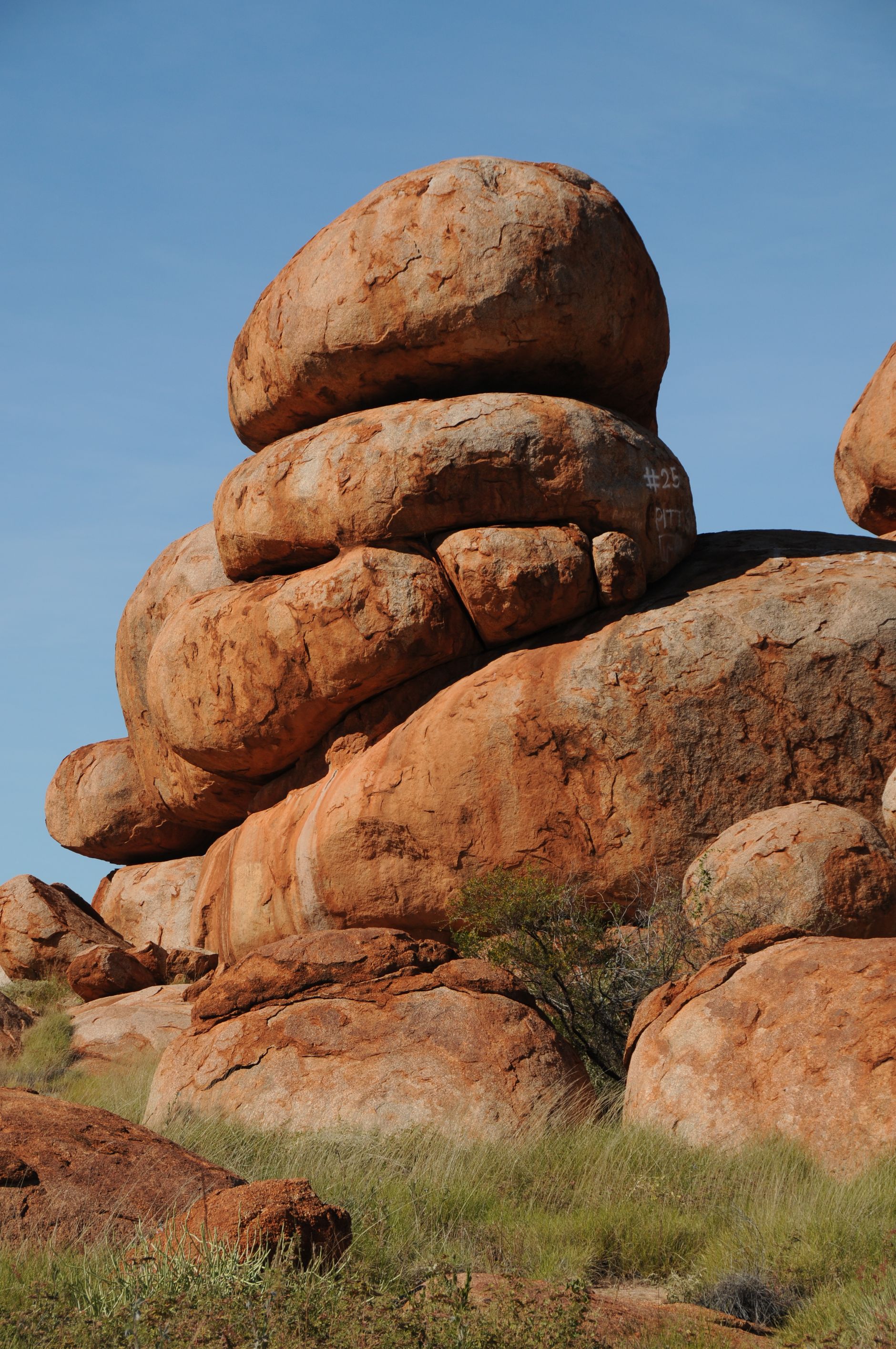
This is not scare talk. It is what happens when event traffic lands on a remote corridor without much slack. The Devils Marbles Hotel, which ABC says can house about 60 people, makes the scale problem feel less abstract. Sixty beds disappear quickly. One full hotel is not the end of the world, but a string of small stops all running near the limit will shape the whole trip. The useful bloke question is simple: where are we sleeping, and what is Plan B if half the Barkly got there before us?
Beds, fuel and the one-stop stretch
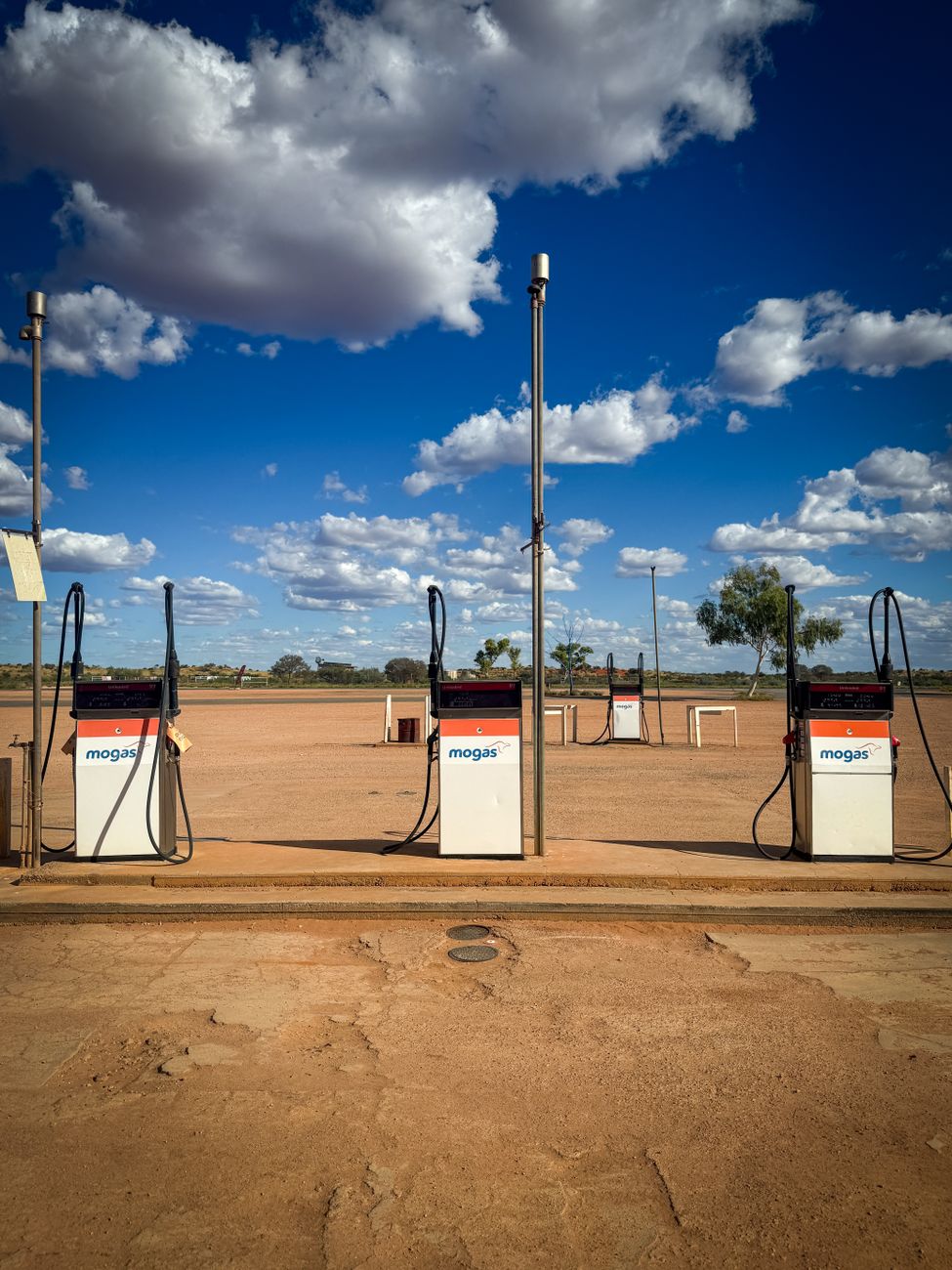
The number that should sharpen the pencil is the 460km run between Tennant Creek and Camooweal, with Barkly Homestead as the only stop on that stretch. On an ordinary outback trip, that already calls for a grown-up plan. Add eclipse traffic and the slack gets thin. We would treat fuel, water, food and daylight like things you book into the day, not little hopes you leave to chance.
Rooms come first because late planners feel that pain early. We do not have a neat Barkly countdown yet, but Dunedin hotels are already booking out two years ahead for the same 2028 eclipse window, according to the Guardian. Closer to the route, Jo Oldham from the Devils Marbles Hotel told ABC they blocked everything out because there are too many moving parts to price and manage this far ahead. Fair enough. The traveller’s move is to watch inventory early and jump when the real bookings open.
“It’s been pretty steady since then … because it was so far out, we actually blocked everything out, because there’s so many factors that you just can’t look at four years in advance.”
Jo Oldham, Devils Marbles Hotel via ABC News
Fuel deserves the same respect. ABC’s earlier reporting on grey nomads found fuel price and availability were already changing routes and stopovers this winter. Its June reporting on regional fuel shock showed how fast diesel costs can rattle tourism confidence. That does not mean the Barkly runs dry in 2028. It does mean a last-minute fill and a heroic spreadsheet is a stupid plan.
Sketching the run now, we would add buffers everywhere: more lead time for beds, more slack between fuel stops, a firmer idea of where to camp, and permission to stop short or push on depending on what the road is doing. Is the trip still worth it if it gets messy? Probably, if you plan like a caravanner. Less so if you treat it like wandering to a suburban rooftop with a six-pack.
The crowd plan matters almost as much as the sky
Sid Vashist, the Barkly mayor, is already pushing for the eclipse to be treated as a major event. That tells you the region understands how quickly a nice tourism story can become traffic, waste and emergency management. Big distances and modest volumes are normal out there. A sudden surge is different. Roads have to keep moving, toilets need servicing, and Tennant Creek cannot be left to cop every problem at once.
“I’m encouraging the government and the department to declare it a major event because that will seriously unlock a lot more resources.”
Sid Vashist, Barkly Regional Council via ABC News
The first jobs are plain enough. Put overflow campers somewhere that works. Keep fuel and food moving. Put portable loos where the crowds gather. Roster enough staff so the simple stuff stays simple. A 10,000-person bump in a remote strip of the Territory is manageable if it is treated early like event logistics. It gets ugly if everyone pretends it is a slightly busy long weekend.
There is upside too, beyond a one-week rush through the tills. If the Barkly runs this cleanly, it gets to sell itself as more than a place you pass through on the way to somewhere else. ABC’s May reporting on eclipse planning in the north Kimberley showed governments are already treating the event as tourism infrastructure, rather than novelty science. The Barkly could turn a tidy eclipse weekend into a reason for more dry-season travel, station stays and stargazing products. That is the good version.
Is it worth building a trip around?
We reckon it is, with conditions. The eclipse will be a proper bragging-rights moment, and the Barkly has the spare, hard country that makes a trip feel earned rather than packaged. We would build a 2028 run around it only if the dull prep starts early: book before the rush hardens, budget extra for fuel, leave flex in the route, and accept that the best viewing spot on paper may not be the smartest place to base the weekend.
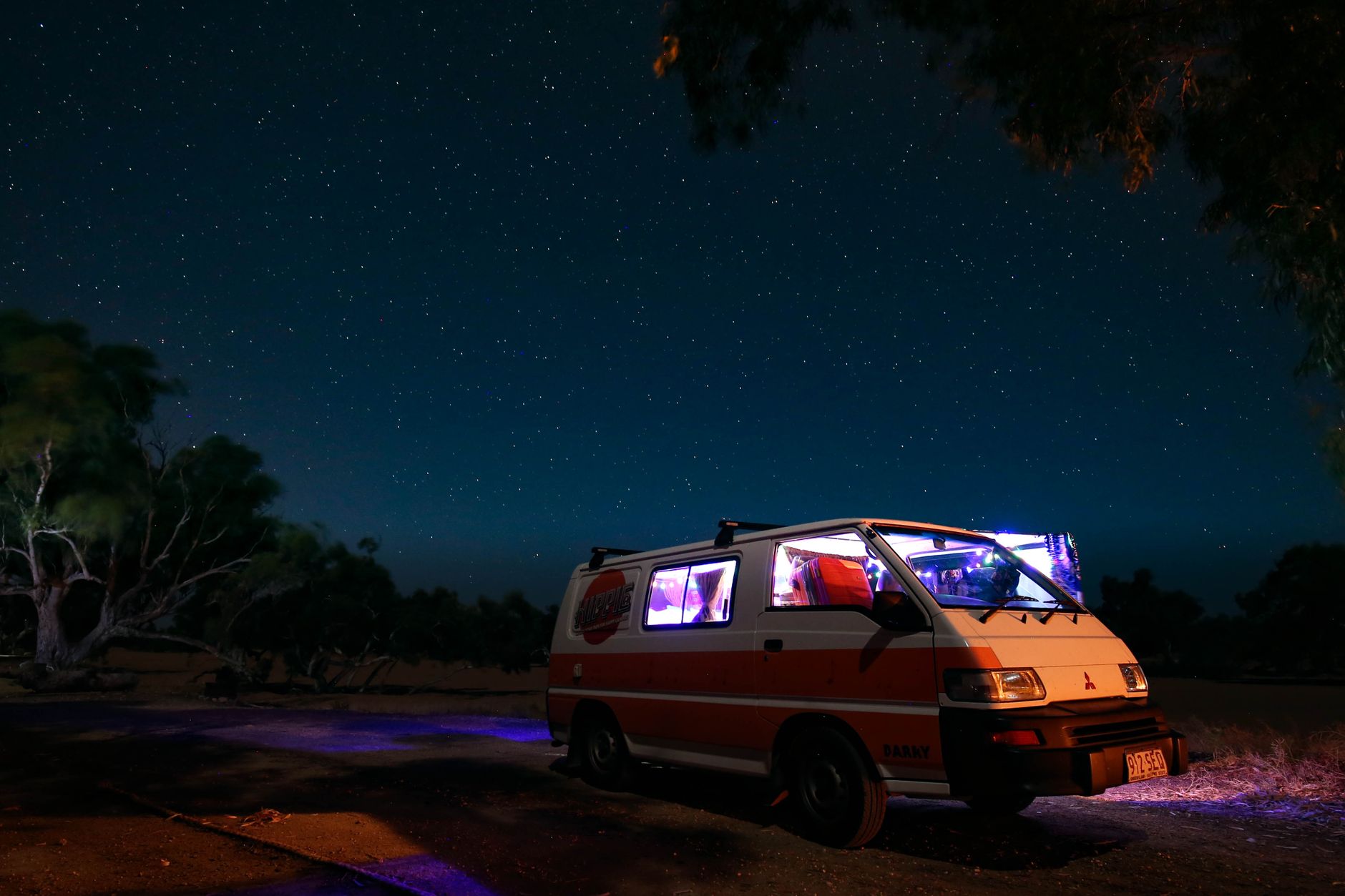
That is the DudeWorld angle. We do not need to become astronomy tragics to see the appeal. The spectacle is five minutes. The trip is days of driving, camping, filling up, sitting down for a counter meal and trying not to make avoidable mistakes in a remote part of the map. If that sounds like your sort of caper, brilliant. Start early. If it sounds like a headache, let the keen skywatchers fight over the front row while you pick a quieter Territory week another year.
July 2028 is still a fair way off, which gives the Barkly time to add capacity and gives landholders time to open sensible overflow options. Travellers get the same runway. Handy, yes, but the easy version of this trip will disappear first once proper bookings open and the road-trip forums wake up.
So the call is simple enough, two years out and before the queues start. Treat the Barkly eclipse rush like a remote-event travel problem. If you want it, start watching beds and campsites now, map your fuel like it matters, and leave enough slack in the run that a once-in-a-lifetime sky does not become an all-time stitch-up on the ground.
The DudeWorld brief
BBQ, tools, camping and footy — the good stuff, weekly in your inbox.
Subscribe