Android Auto Google Maps speedometer starts rolling out
Android Auto Google Maps speedometer support is finally appearing in beta, giving Aussie drivers one less thing to hate in daily traffic.
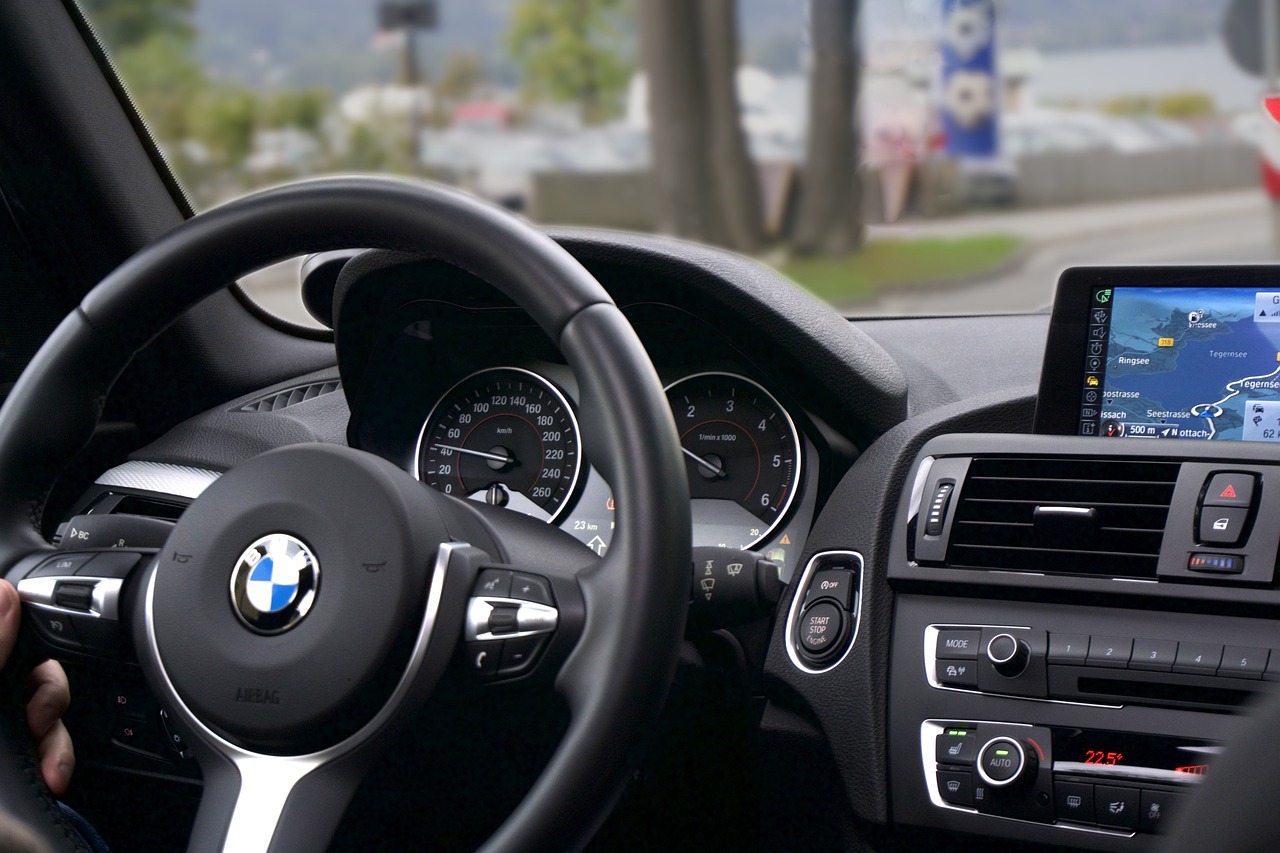
If Google Maps is the screen you watch through Android Auto in traffic, the lack of a speed readout has always felt daft. The route is there. The ETA is there. The next turn is sitting in front of you. Then, for the one number you check constantly, you still glance back to the dash. A fresh 9to5Google report says Google is finally starting to put a live speedometer inside Maps on Android Auto.
Do not expect it in every car this week. The first sightings are limited beta ones.
Still, this little cabin fix matters more than another shiny phone trick. Anyone running a phone-powered setup in a ute, family SUV or work car knows the nuisance: fewer eye flicks between screens can be the difference between software that feels finished and software that still feels half-done.
According to 9to5Google, the speedometer has appeared in Android Auto beta build 26.29.02.946673643. The site says it can show up without a matching Google Maps beta as well, which suggests Google controls at least part of the switch from its own side. In plain English, you probably cannot mash the update button and force it to appear. If you are on beta and still do not have it, your setup probably is not cooked. Google may just be staging the release.
The wait has looked sillier because Google added the same basic feature to Apple CarPlay in July 2024. Android Auto users have spent roughly a year watching the other dashboard system get a simple convenience first, even though Maps on Android is Google’s own turf. No crisis there, obviously. It is the kind of low-grade annoyance that chips away at daily usability anyway, because people notice missed practical details quicker than a spec-sheet boast.
A speedometer inside Maps sounds minor until the road gets busy. It is handy around unfamiliar suburbs, school-zone-heavy commutes and long country runs where the main screen is doing all the map work. We would still trust the car’s own instruments first, especially if the road surface, tyres or GPS signal are doing anything odd. Having the speed beside the route is a backup glance, not gimmicky clutter. Older cars with small instrument clusters should benefit, and so should work utes where the cabin tech is a mash-up of factory gear, a phone mount and whatever USB cable has not died yet.
Keep the expectations sensible. A map-based speed display is only as useful as the positioning data and calibration behind it, and Google has not framed this as a replacement for the vehicle’s own speedo. Speed limits and roadside alerts have rolled out unevenly in some markets, so Australian drivers should treat this the same way until it is live here at scale. If it lands widely, the win is convenience: one less reason to look away from the route screen, not permission to ignore the proper instruments sitting 30 centimetres behind the wheel.
That is the appeal. Nothing flashy, just one daily irritation gone.
Google has not given a firm date for a wide release. For Aussie drivers, the short version is simple enough: if you are on the Android Auto beta track, keep an eye on Maps; if you are not, do not rip apart your setup chasing it. Google has spent plenty of time polishing bigger in-car features, but this one feels overdue because it is basic and because CarPlay users got there first. For a lot of drivers, a speedometer in the app will do more for day-to-day sanity than another round of shiny dashboard fluff.
Former chippie who did a decade on Sydney building sites before the tool reviews took over. Mick covers power tools, DIY, the shed and everyday-carry gear. If Bunnings sells it, he has an opinion on it.
The DudeWorld brief
BBQ, tools, camping and footy — the good stuff, weekly in your inbox.
Subscribe