Gold Coast fire ants: 30,000 nests destroyed, risk lingers
Gold Coast fire ants have already forced 30,000 nest destructions on council land, and the outdoor hassle for parks and camp stops is not going away.
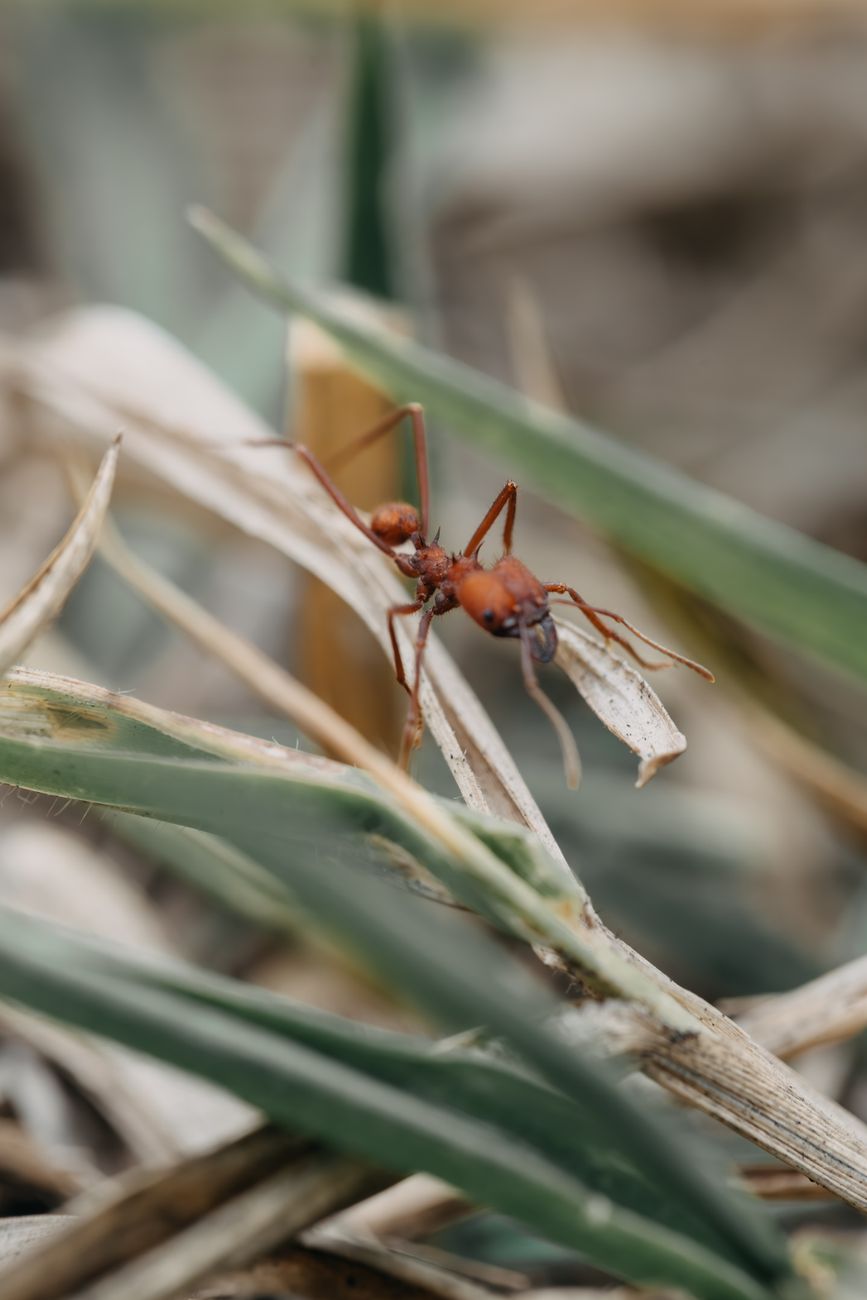
Thirty thousand fire-ant nests have been destroyed on Gold Coast council land since 2022, and local officials still do not sound anywhere near finished. For anyone using south-east Queensland parks, beach reserves and roadside camp stops as weekend territory, fire ants now look less like background biosecurity noise and more like another outdoor hassle to plan around.
The scale changed quickly. The ABC’s reporting says the city found 13 nests in 2022, then more than 13,000 last year. The wider south-east Queensland infestation covers about 800,000 hectares. That matters beyond council paperwork because a pest that established starts showing up in ordinary places: where kids kick a ball, where the family pulls up for lunch, and where a quick beach stop is meant to be easy.
Gold Coast acting mayor Mark Hammel gave ABC News the blunt version:
They are superb at multiplying out so my level of confidence of completely eradicating them is pretty low.
Mark Hammel, ABC News
The line lands because council crews have been baiting nests on local land for four years and the running count is still climbing. For DudeWorld readers, the practical read is simple enough. Even without a formal closure sign, a spreading pest changes the comfort level around parks, sports fields, creek-side reserves and the grassy strip between the car park and the barbecue.
Council land sounds tidy on paper. On the Gold Coast it can mean the local park after school, the grass beside a surf-club car park, a reserve where you stop with takeaway, or the public ground around boat ramps and suburban ovals. A tally of 30,000 destroyed nests since 2022 does not read like a remote bush-only problem. It reads like a pest turning up where people normally assume the ground is managed and safe.
Why this matters beyond the council tally
The money angle says the same thing in colder language. The ABC report says uncontrolled fire ants could cost the Gold Coast about $176 million a year. That is not just agriculture or paperwork in Brisbane. It is treatment, monitoring and the interruptions that come when everyday public land has to be managed instead of simply used.
Queensland Primary Industries Minister Tony Perrett has pointed to progress, and the state does have numbers to use. Under the National Fire Ant Eradication Program’s 2023-27 response plan, the national effort is working with a $592.84 million budget.
Perrett told ABC News the treatment program had cut densities sharply:
Early results showed an 86 per cent reduction in fire ant densities.
Tony Perrett, ABC News
This is not a no-response story. It is more awkward than that: the program can claim suppression gains while local leaders still admit the finish line looks a long way off.
That gap between better treatment numbers and low confidence on eradication is the part outdoor readers should watch. Governments can win some ground and still leave a region stuck in an annoying middle stage for years. The infestation is managed often enough to avoid panic, but not cleared cleanly enough for people to stop thinking about it. South-east Queensland can stay usable and still become more fiddly if your good afternoon involves grassy foreshore reserves, suburban parks or a casual camp stop rather than servo concrete.
What it means for your next south-east Queensland run
We would not treat this as a cancel-the-trip yarn. The Gold Coast is not shutting the gate, and officials are still backing eradication rather than waving the white flag. It does look like something to fold into the normal weekend maths, especially if your crew includes kids, dogs or a habit of sprawling on the first soft patch of grass you find.
The awkward part is that fire-ant news does not arrive with the clean yes-no simplicity of a closed national park road. Most of the time the Gold Coast will still be open, the beach will still be there and the kids will still want the detour to the playground. The margin for laziness gets smaller. You pay more attention to where you stop, how quickly you settle onto rough grass, and whether the easy park lunch is better moved to a harder surface.
That is the long-game takeaway from the 30,000-nest number. Fire ants are becoming the sort of south-east Queensland nuisance that sits somewhere between mozzies and roadworks: not always enough to stop the day, but annoying enough that ignoring it costs you. If the official count keeps climbing while confidence in eradication stays “pretty low”, this stops being a government program story and becomes part of the outdoor reality for anyone using the Gold Coast’s parks, reserves and beachside stop-offs.
Tommo splits his weekends between the high country and the footy. He writes about camping, 4WDing, fishing and the general business of being a husband and dad who still gets a leave pass. Drives a diesel he refuses to shut up about.
The DudeWorld brief
BBQ, tools, camping and footy — the good stuff, weekly in your inbox.
Subscribe